Key Takeaways
- Assess your daily vegetable volume to determine if a Vegetable Cutter Machine is a worthwhile investment.
- Consider staff labor time; automating cutting could free up employees for higher-value tasks.
- Select a machine that can handle your most frequently used vegetables and required cuts.
- Consistent cutting enhances the quality and presentation of repetitive dishes in your kitchen.
- Evaluate the space and access requirements before purchasing a Vegetable Cutter Machine.
Hand cutting works perfectly well when vegetable volumes are manageable. The problem starts when your kitchen uses several staff members for repetitive chopping every day and food preparation begins delaying cooking. At that stage, the right question is not whether a machine cuts faster—it is whether your daily vegetable volume is high enough to justify changing the process.
Start With How Much You Actually Cut Per Day
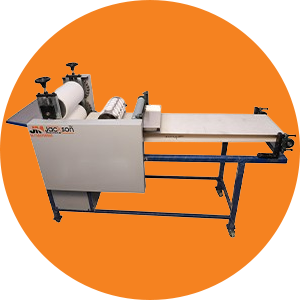
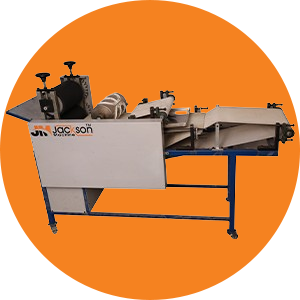
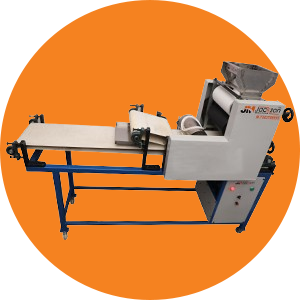
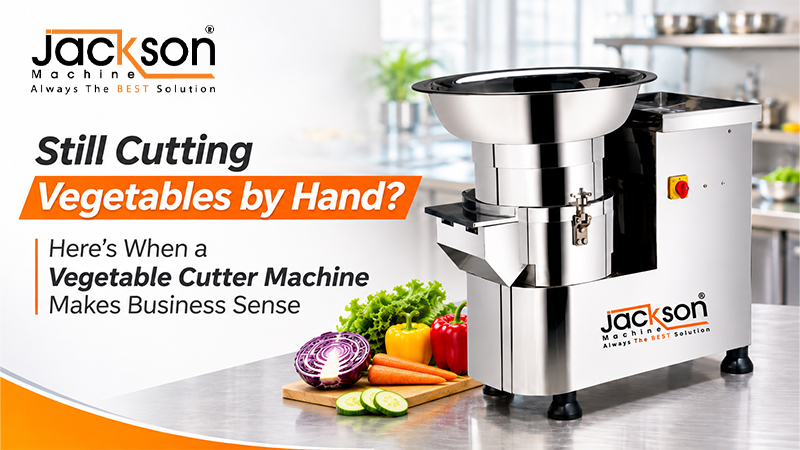
Do not select cutting equipment based only on the number of meals you serve. Instead, calculate the approximate kilograms of vegetables your kitchen processes during a normal day and during peak production. The model listed by Jackson Machine has a stated capacity of approximately 150–200 kg per hour and uses a 1 HP motor. That level of output is relevant for kitchens processing vegetables in bulk. If your staff only cut small quantities occasionally, manual preparation may remain practical.
The machine becomes more valuable when vegetable cutting is a recurring production task rather than an occasional job.
Look at How Much Staff Time Goes Into Cutting
Consider what your kitchen employees are doing before cooking even begins. If several workers spend significant preparation time peeling, slicing, chopping or dicing vegetables, cutting may be consuming labour that could be used for cooking, portioning, packing or other higher-value tasks. A Vegetable Cutter Machine can automate repetitive cutting work while staff continue handling the preparation tasks that still require manual attention. This is particularly relevant for large restaurants, caterers, hotels, hostels and institutional kitchens where vegetable preparation happens every day.
Which Vegetables Can Be Processed?
The listed machine can process a range of vegetables, including onions, carrots, potatoes, cabbage and leafy vegetables, depending on the cutter attachment being used.
This matters because businesses rarely purchase equipment to process only one vegetable.
Before buying, make a simple list of your highest-volume vegetables and the cuts required for each recipe.
For example:
- Onion for gravies and curries
- Potato for cooked dishes or further processing
- Carrot for salads and mixed preparations
- Cabbage for bulk recipes
- Leafy vegetables for kitchen preparation
Ask about the suitable cutter attachment for your required cut rather than assuming one configuration handles every vegetable in exactly the same way.
Uniform Cutting Matters Beyond Appearance
Consistent pieces are useful not only because food looks more professional. Similar-sized vegetable pieces can make batch preparation easier because the kitchen receives a more standardized cut instead of depending entirely on individual workers. The Vegetable Cutter Machine is designed for slicing, dicing and chopping vegetables into more uniform pieces. For businesses preparing repeated recipes, this can help standardize prep work from one shift to another.
Consistency becomes more valuable as the number of meals or batches increases.
Check Whether 150–200 Kg/Hour Is Right for You
A large capacity figure should not automatically be treated as better.
Use your own processing volume to judge whether the machine fits.
Daily Situation | What to Consider |
Small vegetable volume | Manual cutting may still be sufficient |
Repeated daily prep | Compare labour time with machine usage |
Large catering batches | Faster bulk processing becomes valuable |
Central kitchen | Consistent high-volume cutting is important |
Growing operation | Allow capacity for increasing meal volume |
The goal is not to automate every task. It is to automate the task that is repeatedly limiting kitchen productivity.
Check Space, Weight and Cleaning Access
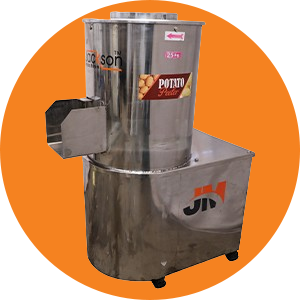
The listed model weighs approximately 38 kg and measures 21 × 12 × 21 inches.
Before purchasing an Vegetable Cutter Machine, check where it will actually sit during operation.
- Keep enough space for loading vegetables
- Provide an area for collecting cut vegetables
- Keep the machine close to the preparation zone
- Check access to the 1 HP electrical setup
- Leave sufficient room for cleaning
- Plan storage for relevant cutting attachments
A compact workflow matters because moving vegetables repeatedly between distant preparation stations can reduce the time saved by mechanized cutting.
The machine is also listed as being made from stainless steel, which is relevant for commercial food-preparation environments.
When Does the Upgrade Make Business Sense?
The clearest indicator is not simply that manual cutting feels slow. The upgrade becomes worth evaluating when hand cutting is creating a measurable bottleneck. For example, your kitchen may regularly delay cooking because vegetables are not ready, use several employees mainly for repetitive cutting, struggle with inconsistent cut sizes or experience large preparation peaks before meal service. That is when mechanization can have a practical operational role. At Jackson Machine, we recommend looking at the complete preparation process rather than judging equipment only by its maximum hourly capacity.
Why Choose Us
Jackson Machine focuses on food-processing equipment for commercial production environments. When a buyer is considering vegetable-cutting equipment, our team can discuss the vegetables being processed, required cutting styles, approximate daily volume and available kitchen space. This helps determine whether mechanized cutting genuinely fits the operation. Our listed model combines a 1 HP motor with a stated 150–200 kg/hour capacity and is intended for businesses such as restaurants, caterers, hotels and institutional kitchens handling regular bulk food preparation.
Conclusion
A Vegetable Cutter Machine makes the most sense when manual cutting has become a regular constraint on food preparation. Instead of buying based only on capacity, calculate how many kilograms your kitchen processes, which vegetables you use most often, what cuts are required and how much staff time currently goes into preparation. For high-volume kitchens, a properly selected cutter can make the preparation stage faster and more standardized. At Jackson Machine, we can help you evaluate the machine around your actual vegetable-processing workload and kitchen setup.
Still using several staff members for daily bulk vegetable cutting? Tell us the vegetables you process, your approximate daily volume and the cuts your kitchen requires. Our team can help you evaluate a suitable commercial setup.
Call: +91 63523 14282
Email: navneet@jacksonmachine.in
Frequently Asked Questions
When should I consider using a Vegetable Cutter Machine instead of manual cutting?
Switching to a Vegetable Cutter Machine makes sense when manual cutting creates delays and requires multiple staff members for repetitive tasks. If your kitchen regularly deals with high vegetable volumes or experiences bottlenecks in preparation, it’s time to evaluate mechanization.
What types of vegetables can a Vegetable Cutter Machine process?
A Vegetable Cutter Machine can efficiently process various vegetables such as onions, carrots, potatoes, cabbage, and leafy greens, depending on the cutter attachment used. It’s important to identify your highest-volume vegetables and required cuts before purchasing.
How does a Vegetable Cutter Machine improve kitchen efficiency?
By automating repetitive cutting tasks, a Vegetable Cutter Machine frees up staff to focus on higher-value kitchen activities like cooking and plating. This can significantly reduce preparation times and enhance consistency in vegetable sizes for batch cooking.
What factors should I consider before buying a Vegetable Cutter Machine?
Before purchasing, assess your kitchen’s vegetable processing volume, the space available for the machine, and how much staff time is currently spent on cutting. Ensure the machine fits your operational workflow and meets your production needs.
Is the capacity of 150-200 kg per hour enough for my kitchen?
The capacity of 150-200 kg per hour is suitable for kitchens that process vegetables in bulk. However, evaluate your specific daily volumes and production peaks to determine if this capacity aligns with your operational requirements.