
Key Takeaways
- Assess your current chapati production to determine if a semi-automatic chapati machine is a needed upgrade.
- Consider whether manual preparation is causing delays during peak hours before investing in automation.
- Choose a semi-automatic chapati machine that matches your specific output and roti size requirements.
- Proper space planning around the semi-automatic chapati machine enhances workflow efficiency and reduces staff congestion.
- Evaluate your business's projected growth to ensure the selected machine meets future demand needs.
If your team can manage normal chapati demand but struggles during peak hours, adding more workers may not be the only solution. A semi-automatic setup can make sense when daily production is increasing but your business is not ready for a completely automatic line. The important question is whether the machine matches your actual output, roti size and kitchen workflow.
First Check Whether Manual Production Is Becoming a Bottleneck
A machine upgrade becomes relevant when chapati preparation starts affecting serving speed, labour allocation or production consistency.
Look at your operation during the busiest part of the day, not only during average demand.
- Staff regularly struggle to complete chapatis on time
- Too many workers are occupied with flattening and cooking
- Chapati size varies noticeably between batches
- Bulk orders require production much earlier than serving time
- Your business expects chapati demand to increase further
If several of these points apply regularly, a Semi-Automatic Chapati Machine may be a practical next step.
Match Capacity With Your Real Requirement
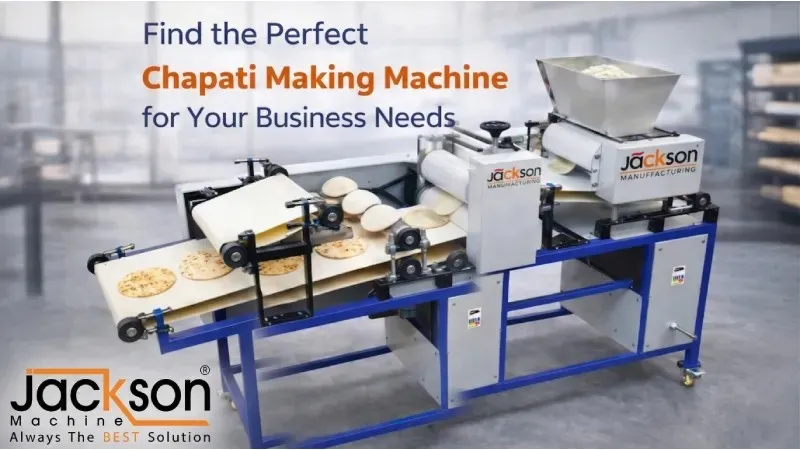
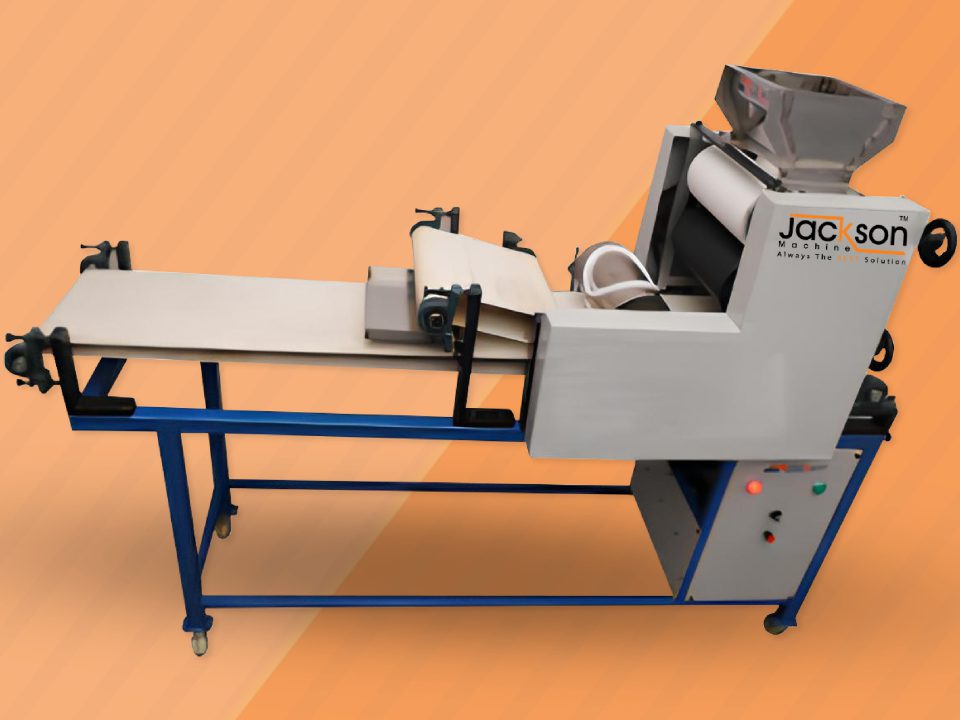
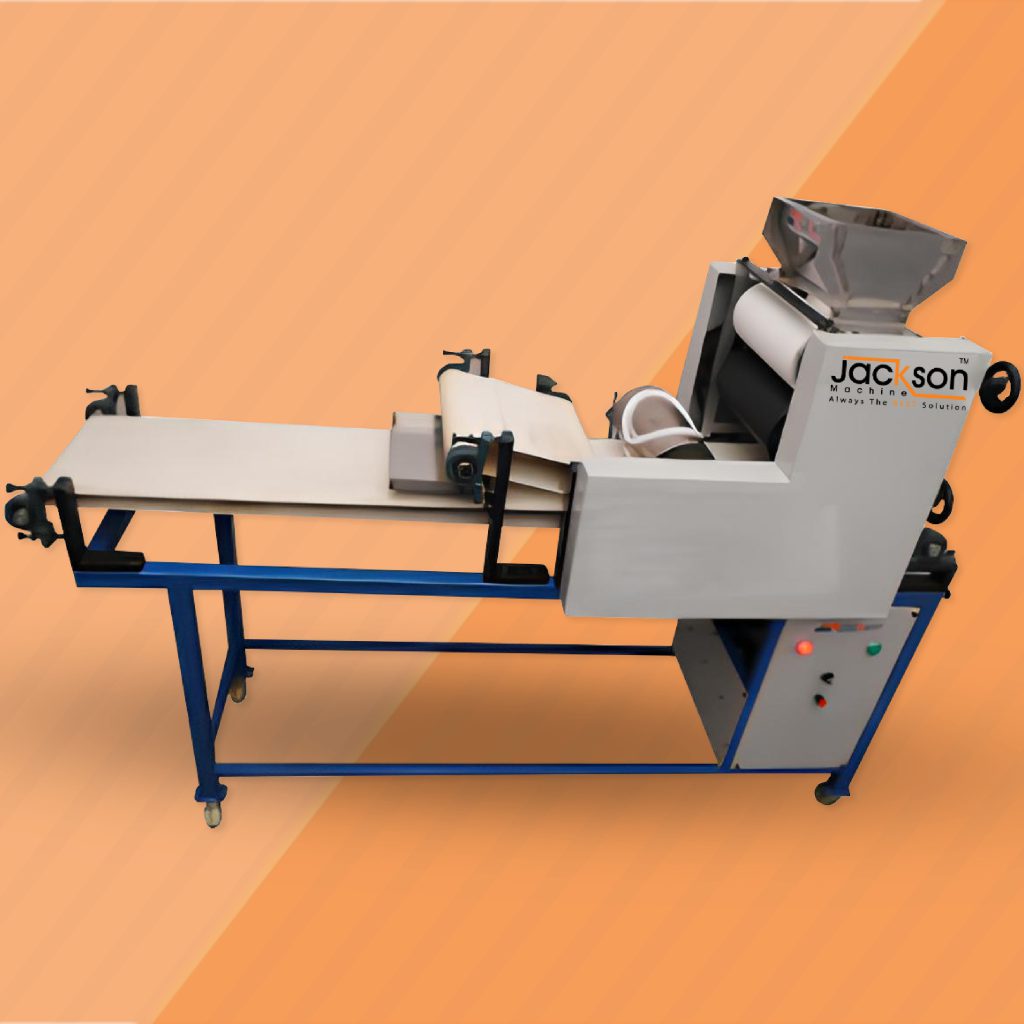
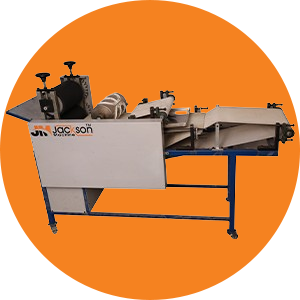
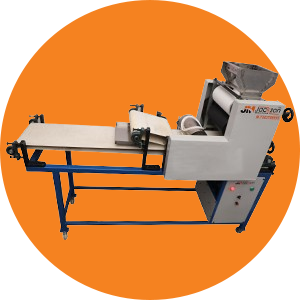
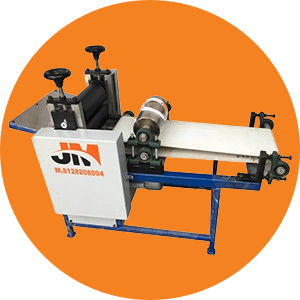
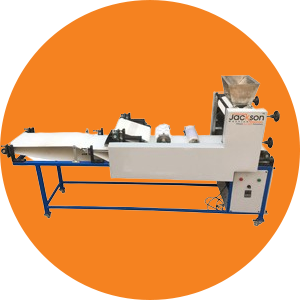
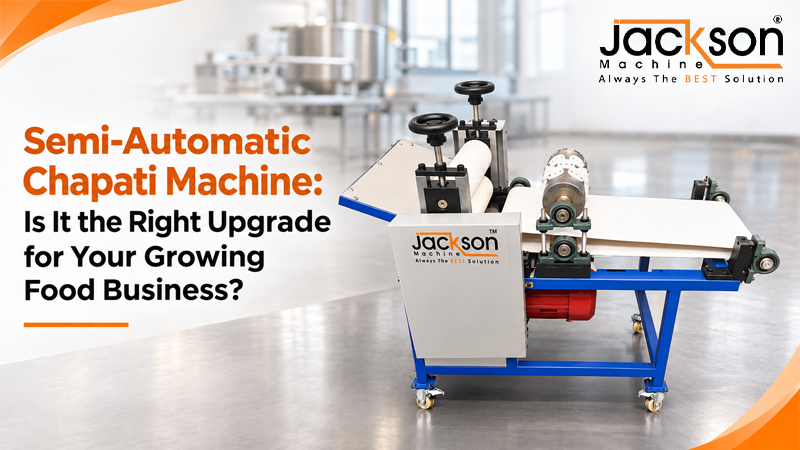
The CM5 model listed by Jackson Machine has a stated production capacity of 500 pieces per hour. It uses a 0.5 HP electric motor and can make rotis up to 8 inches in size.
That 500-piece figure becomes useful only when compared with your own demand.
For example, a business requiring a few hundred chapatis across an entire day may have different needs from a caterer that must prepare several hundred within a short service window.
Choose capacity according to peak-hour demand, not just total daily consumption.
You should also allow some production margin if your orders are increasing. Buying equipment that only meets today’s maximum requirement can leave little room for growth.
Understand What “Semi-Automatic” Means for Your Workflow
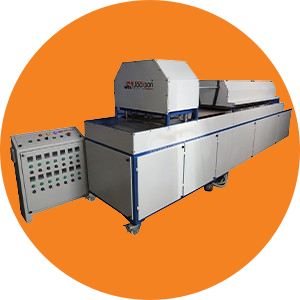
A semi-automatic machine does not remove the operator from the process completely. The listed machine automates important chapati-making stages such as dough flattening and cooking while retaining operator involvement.
This makes it useful for businesses that want mechanized production without moving immediately to a larger fully automatic system.
The Semi-Automatic Chapati Machine can therefore suit operations where staff are already available for dough preparation, handling and production supervision but need help with repetitive high-volume work.
Check the Roti Size Before Buying
Roti diameter is an important commercial requirement because restaurants, caterers and institutional kitchens may use different serving sizes. The CM5 supports roti sizes up to 8 inches. Before selecting equipment, confirm the diameter your customers currently receive and whether you need one standard size or different sizes for different menus. Do not treat size as a minor specification. Changing chapati dimensions can affect portioning, packaging, serving style and customer expectations.
Plan Enough Space Around the Machine
The listed machine weighs approximately 115 kg, so it should be treated as fixed production equipment rather than something staff will frequently move around.
Before installation, check:
- Space for dough handling before production
- Comfortable operator access
- Area for collecting finished chapatis
- Movement between preparation and serving or packing stations
- Access for cleaning and routine maintenance
- Suitable electrical connection for the machine
A good layout prevents staff from crossing paths unnecessarily during busy production periods.
Compare Manual Production With the Upgrade
The decision becomes clearer when you compare the operational differences.
Factor | Manual Production | Semi-Automatic Setup |
Flattening | Labour dependent | Mechanized |
Cooking | Labour intensive | Machine-assisted |
Output planning | Depends heavily on workers | Defined machine capacity |
Size consistency | Operator dependent | More standardized |
Best fit | Lower-volume production | Growing commercial demand |
This does not mean every kitchen needs automation. The upgrade makes the most sense when the existing process has become a genuine production constraint.
Who Is This Setup Suitable For?
According to the listed applications, the machine is intended for restaurants, hotels, catering services, food-processing units and commercial kitchens. An Semi-Automatic Chapati Machine is particularly relevant when your business has repeat chapati demand rather than occasional bulk requirements. Restaurants with high lunch or dinner volumes, caterers handling recurring orders and institutional kitchens serving fixed meal counts can evaluate the machine according to their own workload.
Why Choose Us
At Jackson Machine, we focus on commercial food-processing machinery built around practical production requirements. Our team can discuss your current chapati volume, expected growth, required roti size, available workspace and production pattern before you select a machine. Instead of looking only at maximum output, we believe the right decision should fit how your kitchen actually operates. Jackson Machine supplies equipment for commercial kitchens, restaurants, caterers and food-processing businesses looking to improve production efficiency.
Conclusion
Upgrading to a Semi-Automatic Chapati Machine makes business sense when manual production is repeatedly limiting output, taking too much labour or creating difficulty during peak demand. Start by checking how many chapatis you actually need within your busiest production window, then review roti size, operator involvement, workspace and expected growth. A 500-piece-per-hour machine can be useful for the right operation, but capacity should always be matched with real demand. At Jackson Machine, we can help buyers evaluate those requirements before choosing their setup.
Need to increase chapati production without immediately moving to a fully automatic line? Talk to our team about your current output, required roti size and daily operating schedule. We can help you evaluate whether this setup suits your business.
Call: +91 63523 14282
Email: navneet@jacksonmachine.in
Frequently Asked Questions
What is a semi-automatic chapati machine?
A semi-automatic chapati machine automates critical stages of chapati production, such as flattening the dough and cooking, while still requiring operator involvement. It serves as a practical upgrade for food businesses looking to increase efficiency without fully transitioning to a fully automatic line.
How can a semi-automatic chapati machine benefit my food business?
This machine can significantly enhance production speed and consistency, especially during peak hours when demand is high. It helps reduce labor intensity and allows staff to focus on other essential tasks in the kitchen.
What factors should I consider before buying a semi-automatic chapati machine?
It’s essential to assess your peak-hour demand, the required roti size, and the available workspace. Additionally, consider the machine’s production capacity against your actual requirements to ensure it aligns with your business growth expectations.
Is a semi-automatic chapati machine suitable for my restaurant?
If your restaurant experiences consistent chapati demand during busy service times, a semi-automatic chapati machine can be a great fit. It is particularly relevant for operations needing to serve a fixed number of chapatis quickly and with standard size.
How does a semi-automatic chapati machine improve consistency?
By mechanizing tasks that were previously labor-intensive, a semi-automatic chapati machine ensures more uniformity in size and cooking of chapatis. This standardization helps meet customer expectations and improves overall production quality.