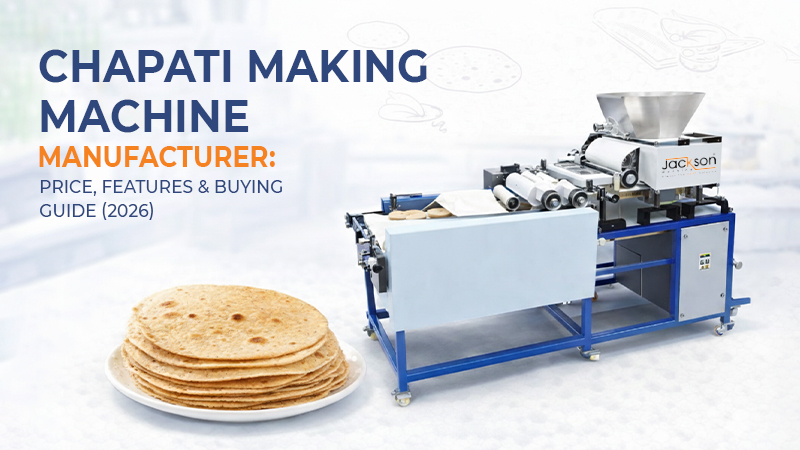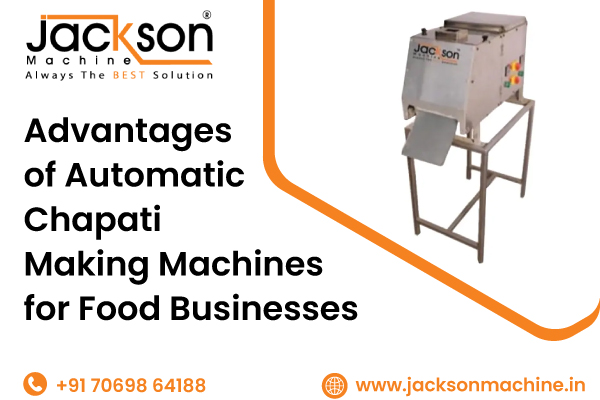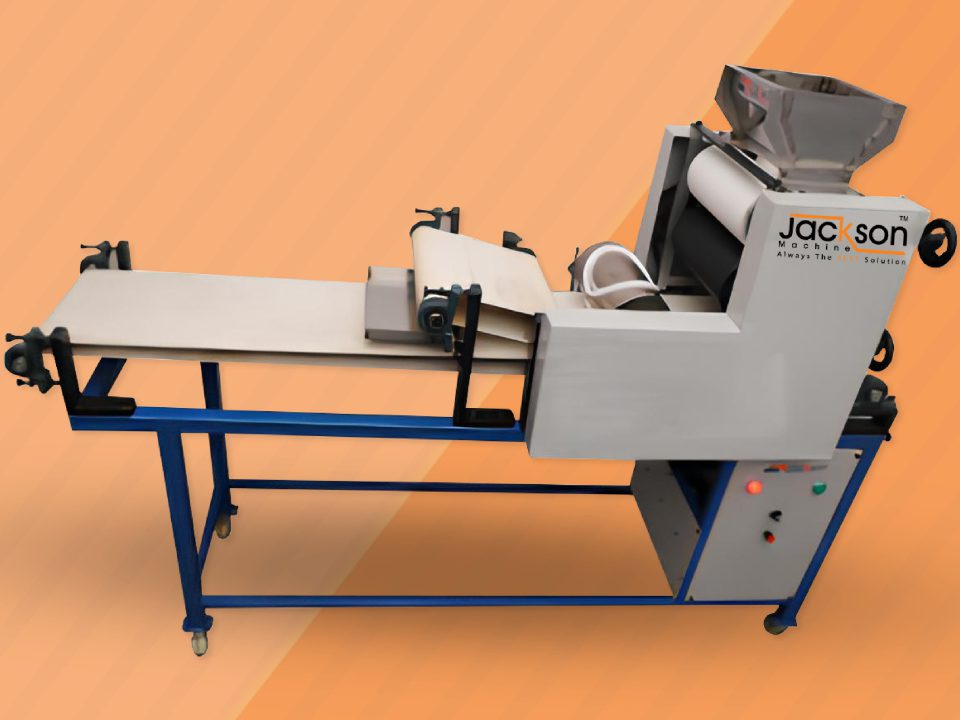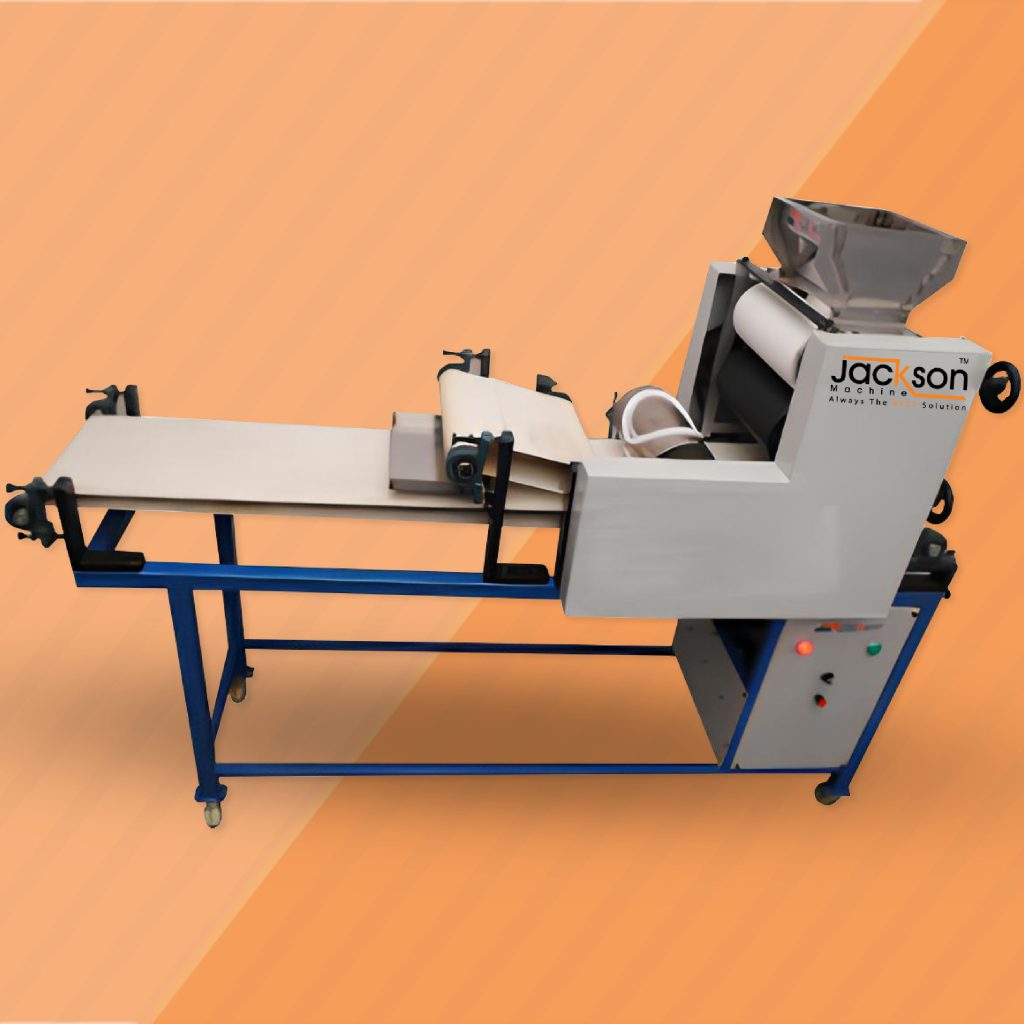


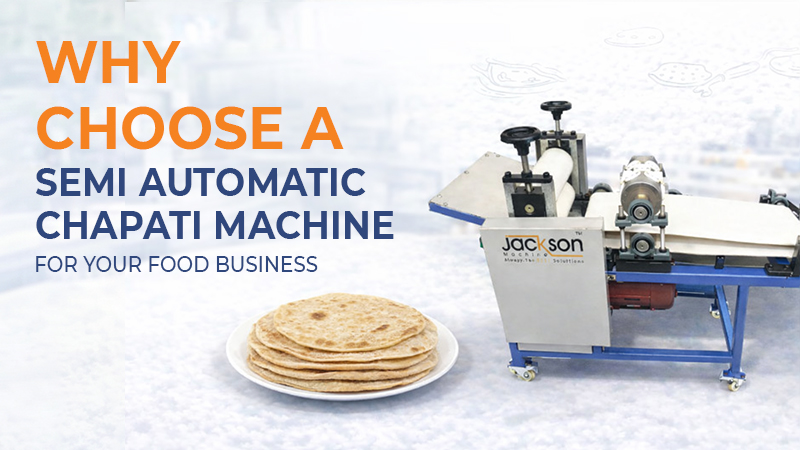
The food industry in India is evolving rapidly, driven by rising urbanization, changing lifestyles, and an increasing demand for hygienic, consistent, and scalable food production. Chapati, being a daily staple across homes, hotels, hostels, canteens, and industrial kitchens, has witnessed a significant shift from manual preparation to mechanized solutions. In this transformation, the Semi-Automatic Chapati Machine has emerged as a practical and efficient option for food businesses that want productivity without compromising quality.
For small to medium food operations, balancing cost, output, and taste is critical. Manual chapati-making demands skilled labor, consumes time, and often results in inconsistencies in size and thickness. On the other hand, fully automatic systems may feel expensive or unnecessary for many setups. This is where a Best Semi-Automatic Chapati Machine becomes a smart investment, offering the perfect blend of automation and human control.
Understanding the Role of Chapati Machines in Modern Food Businesses
Food businesses today operate under constant pressure to deliver quality on a scale. Customers expect uniform taste, proper cooking, and hygienic preparation every single time. Traditional chapati-making methods depend heavily on manpower, which can fluctuate in skill, speed, and availability.
A Semi-Automatic Chapati Machine reduces dependency on manual labor while still allowing the operator to control important aspects of chapati preparation. This combination works well for restaurants, cloud kitchens, catering units, and institutional kitchens that want consistency with flexibility.
Unlike manual methods, these machines maintain uniform thickness, even cooking, and stable output capacity. Compared to fully automatic systems, they allow businesses to manage costs and adapt production as needed.
Why Semi-Automatic Chapati Machines Are Ideal for Food Businesses
- Balanced Automation for Better Control: The balance between automation and human intervention may be considered one of the most significant arguments in favor of a Semi-Automatic Chapati Machine. Processes of dough feeding, pressing and baking are assisted by means of mechanical support, the operators being able to control dough consistency and production rate. This degree of control is essential to the companies that attach importance to the authenticity of taste. The manipulation of the texture and softness of chapati is dependent on the handling of a dough, and semi-automated systems can also be adjusted without sophisticated programming.
- Consistent Quality and Uniform Output: Unity is a major issue in food companies. Customers detect changes immediately particularly when it comes to commodities such as chapati. A Best Semi-Automatic Chapati Machine aids in the continuation of the same size, thickness and cooking quality of all the batches. Enterprise-wide chapati can add to presentation and minimize wastage, as well as customer satisfaction. Such consistency also assists a business in developing a dependable brand image particularly when high volume customers such as hostels, hospitals, or corporate canteens are to be outsourced.
- Improved Productivity Without High Investment: In food operations, profitability is in most cases dictated by productivity. The process of making chapatis by hand penalizes productivity and causes fatigue to the employees. Semi-Automatic Chapati Machine boosts speed in production and at the same time, investment remains within reach. In the case of expanding businesses, this is a good steppingstone before proceeding with fully automated systems. It promotes demand in the peak hours without excessively increasing manpower and operational pressure.
- Hygiene and Food Safety Advantages: In the contemporary food industry, hygiene is an important factor. The environment requires clean preparation places as required by the customers and regulatory bodies. Chapati-making can be performed manually, thus making contact with the hand many times, and contaminated. The Best Semi-Automatic Chapati Machine also reduces direct handling which promotes cleaner production. The stainless steel construction and cleanable surfaces also add to the improved standards of hygiene, particularly in the commercial kitchens.
How Semi-Automatic Chapati Machines Support Business Growth
- Scalability for Expanding Operations: Food businesses often start small but aim to grow. A Semi-Automatic Chapati Machine supports scalability by allowing higher output without structural changes in the kitchen. As demand grows, production can be increased by extending operating hours rather than hiring more staff. This scalability is particularly useful for caterers and cloud kitchens handling fluctuating order volumes.
- Cost Efficiency Over Time: While the initial purchase involves investment, the long-term cost benefits are significant. Reduced labor expenses, minimized wastage, and consistent output contribute to better margins. A Best Semi-Automatic Chapati Machine pays for itself gradually through operational efficiency and reliability. Businesses also benefit from predictable production costs, which simplifies pricing and planning.
- Suitable for Multiple Business Types: The flexibility of a Semi-Automatic Chapati Machine makes it suitable for a wide range of food businesses. Restaurants, dhabas, hostels, schools, hospitals, religious kitchens, and catering units all benefit from their adaptable nature. This versatility makes the machine a valuable asset rather than a niche investment.
Key Considerations Before Buying a Semi Automatic Chapati Machine
Before investing in a Semi-Automatic Chapati Machine, businesses should assess production capacity needs, available kitchen space, and power requirements. Understanding daily output targets helps select the right model without over-investing. Maintenance access and after-sales support also play a crucial role. A Best Semi-Automatic Chapati Machine should come from a manufacturer that offers technical assistance and spare parts availability.
Long-Term Impact on Business Reputation
Food quality consistency directly influences customer loyalty. Using a Semi-Automatic Chapati Machine helps businesses deliver uniform chapatis daily, strengthening trust among customers. Over time, this consistency supports brand recall and positive word-of-mouth, which are invaluable for business growth in competitive food markets.
Why Choose Us
Choosing Jackson Machine means choosing experience, reliability, and industry-focused solutions. The company prioritizes performance, hygiene, and user-friendly design in every machine. Jackson Machine supports businesses not just with equipment but with guidance, service, and long-term value. This commitment makes Jackson Machine a preferred choice for food businesses that want consistent results and dependable machinery.
Conclusion
A Semi-Automatic Chapati Machine is a strategic investment for food businesses seeking productivity, consistency, and cost control. It bridges the gap between manual labor and full automation, making it suitable for growing operations. The Best Semi-Automatic Chapati Machine supports hygiene, reduces labor challenges, and improves output quality. For businesses aiming to scale without losing taste authenticity, this solution fits perfectly. With the right manufacturer and support, such a machine becomes a long-term asset that strengthens operational efficiency and customer satisfaction.
Want to upgrade your food business with a reliable chapati solution? Call +91 63523 14282 or email navneet@jacksonmachine.in.
Key Takeaways
- Balanced Automation for Control and Quality
Semi-Automatic Chapati Machines combine mechanical assistance with human control, allowing businesses to maintain traditional taste, texture, and chapati softness while improving consistency. - Consistent Output and Uniform Chapatis
The machines ensure uniform size, thickness, and cooking, reducing wastage, enhancing presentation, and supporting brand reputation. - Cost-Effective Productivity Boost
They increase production speed without requiring a large investment, helping small and medium food businesses meet peak demand efficiently. - Hygiene and Reduced Labor Dependency
Minimizing direct hand contact improves food safety, while operations can be managed by semi-skilled staff, lowering labor costs and reducing training needs. - Scalability and Long-Term Business Growth
Suitable for diverse food operations, these machines allow businesses to scale production over time, maintain consistent quality, and strengthen customer trust and loyalty.
FAQs
Who should invest in a Semi-Automatic Chapati Machine?
Restaurants, caterers, hostels, canteens, and medium-scale food businesses benefit the most from this machine.
Does a Semi-Automatic Chapati Machine affect chapati taste?
No, it supports consistent thickness and cooking, which helps maintain traditional taste when dough quality is managed well.
Is training required to operate the machine?
Basic training is sufficient. The machine is designed for easy operation with minimal technical complexity.
How does it help with hygiene?
It reduces direct hand contact and supports cleaner production through controlled processing surfaces.
Why choose Jackson Machine for chapati machines?
Jackson Machine focuses on durable design, business-oriented solutions, and dependable customer support.