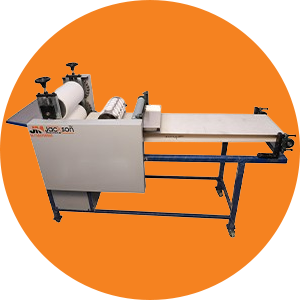
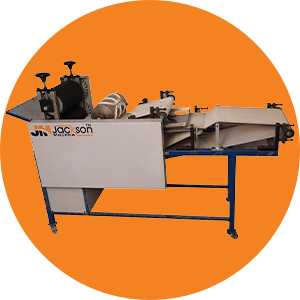
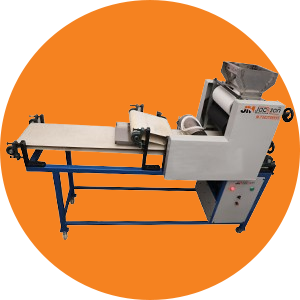
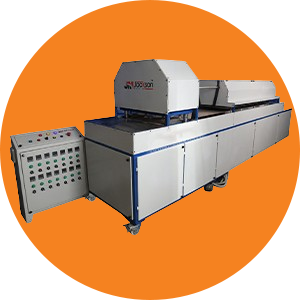
The Indian snack industry is growing at a remarkable pace, and samosa remains one of the most loved snacks across regions, age groups, and occasions. From small tea stalls to large-scale frozen snack manufacturers, demand for consistent, hygienic, and high-volume samosa production continues to rise. Manual preparation often limits output, affects uniformity, and increases labor dependency. This is where modern food machinery plays a decisive role. Investing in a Samosa Making Machine helps businesses scale operations, maintain quality, and meet market demand without compromising taste or authenticity.
Jackson Machine understands the realities of food businesses at every scale. Whether you operate a small kitchen or a large processing unit, the right machine can transform productivity Explores how the right samosa machine helps businesses grow, what features are most important, and why automated solutions are now crucial in a competitive food market.
Understanding the Growing Demand for Automated Samosa Production
Samosas are no longer limited to local shops. They are now supplied to hotels, airlines, corporate cafeterias, supermarkets, and export markets. This shift requires uniform size, accurate filling, and steady output. A Top Samosa Making Machine delivers consistency that manual labor finds difficult to match over long hours.
Automation also addresses rising labor costs and skill shortages. Trained samosa makers take time to develop, while machines provide predictable performance from day one. For businesses planning expansion, automation becomes a strategic investment rather than an optional upgrade.
What Is a Samosa Making Machine?
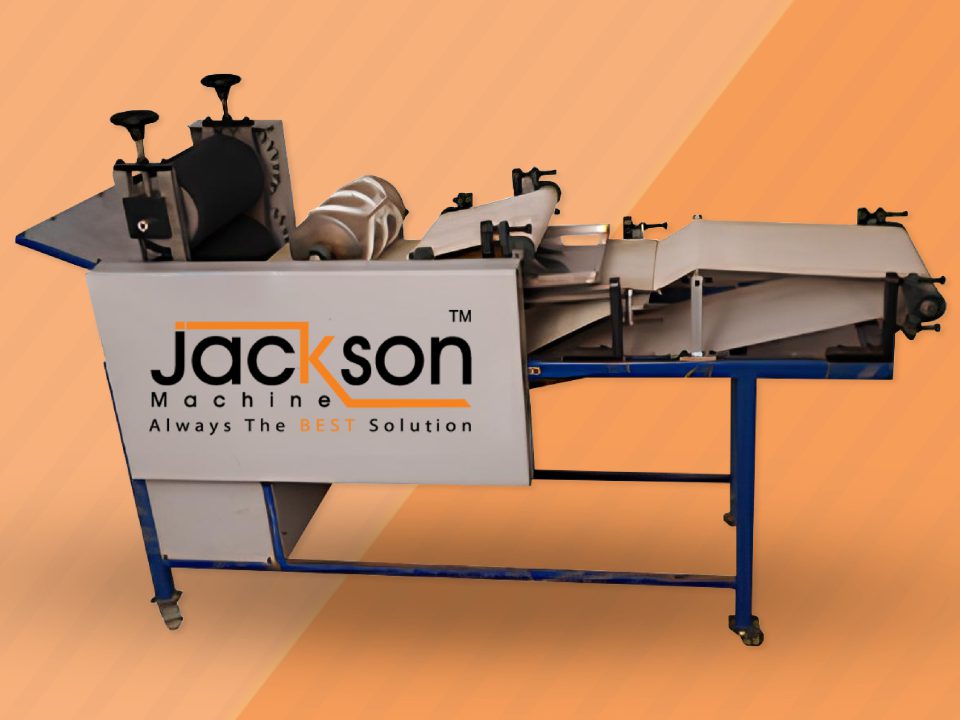
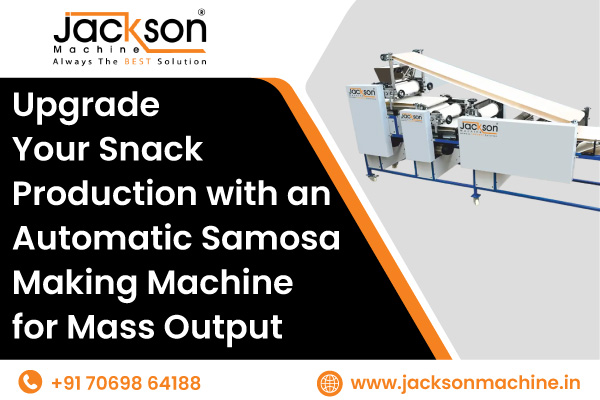
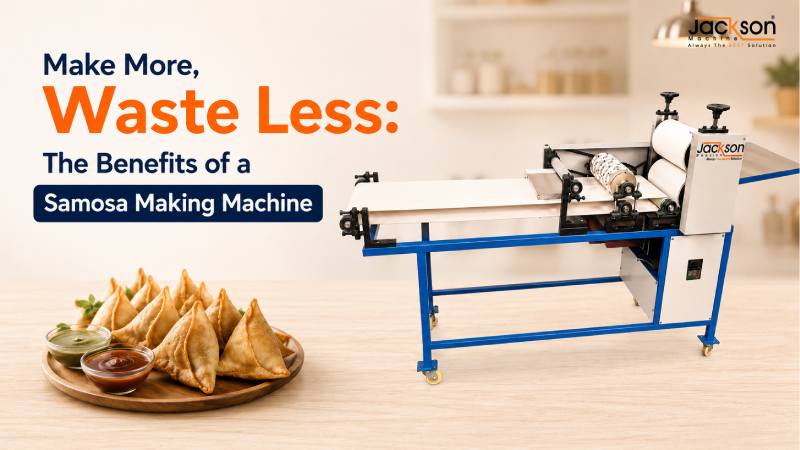
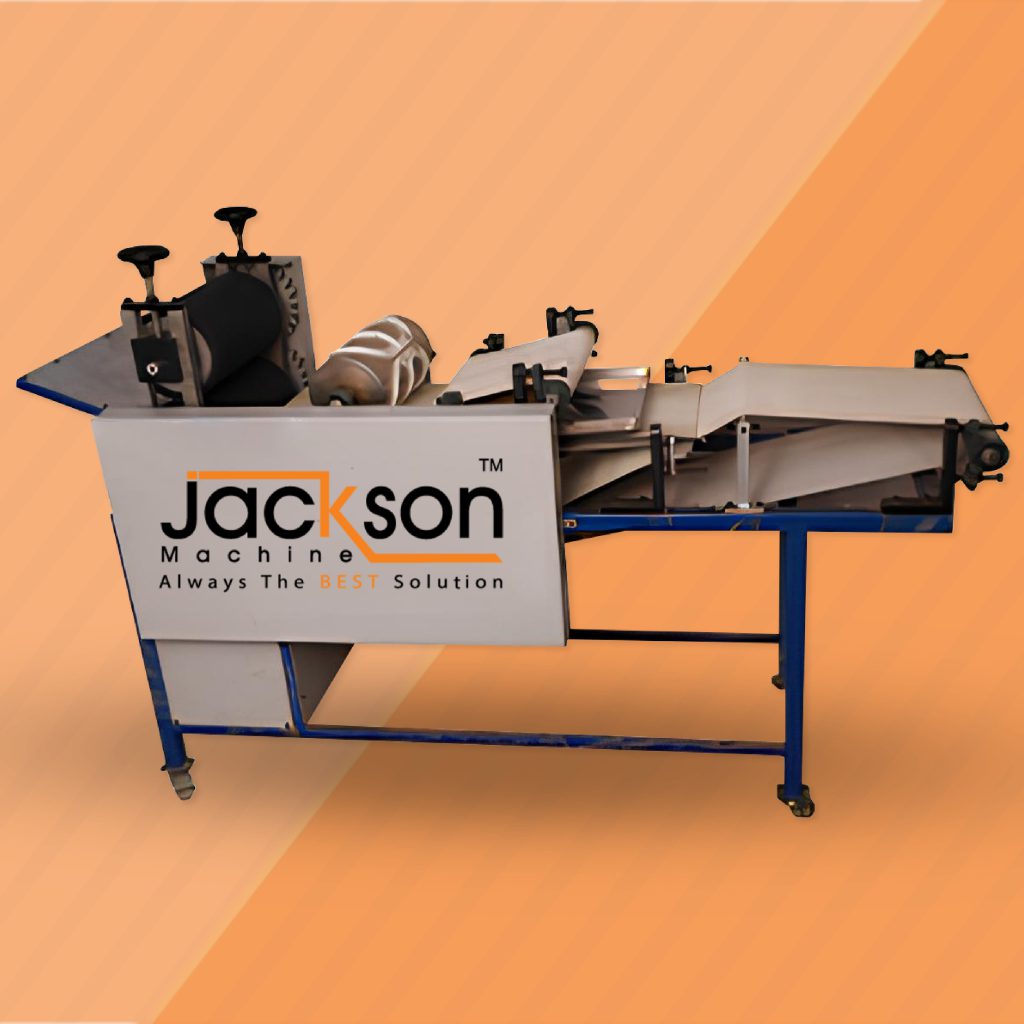
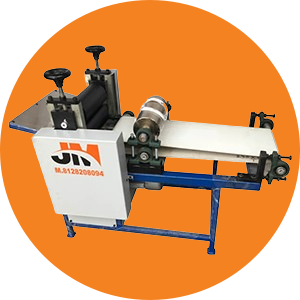
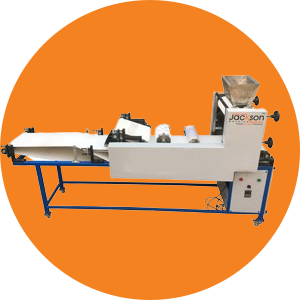
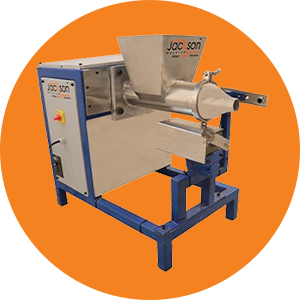
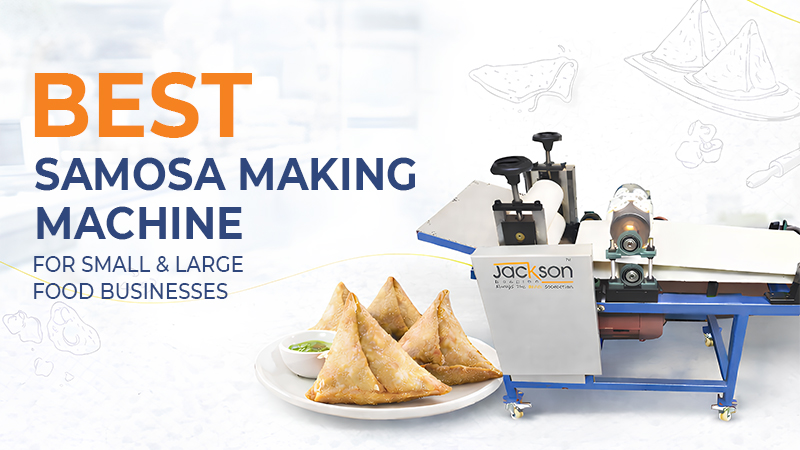
A Samosa Making Machine is designed to automate key steps of samosa preparation such as dough sheeting, filling, shaping, and forming. Advanced models allow control over size, thickness, and stuffing quantity. This precision helps maintain brand consistency and customer satisfaction.
Modern machines are built using food-grade materials, supporting hygiene standards required by commercial kitchens. With proper operation, a samosa machine reduces wastage and supports continuous production cycles, making it suitable for both fresh and frozen samosa manufacturing.
Small Food Businesses and the Need for Smart Machinery
Small food companies usually fear investing in machines because of financial limitations. Nevertheless, small-size models of the ideal Top Samosa Making Machine are targeted at new businesses, cloud kitchens, and local snack manufacturers. These machines provide a medium production but still at a quality and affordable cost.
In the case of small businesses, automation will enable the owners to spend more time on marketing, distribution, and coming up with new recipes rather than production issues of the day. In the long run, the initial investment is recouped by saving on labor and minimization of wastage.
Large-Scale Production and Industrial Requirements
The big food production companies demand machines that are fast-running and enduring, and they need to work long hours. The models of Samosa Making Machine in industries have high production capacity without reduction in structure. The machines serve bulk catering contracts and distribution throughout the country.
Consistency is even more imperative on scale. A good Top Samosa Making Machine helps to make samosas of the same shape and weight, which contributes to the efficiency of packaging and adherence to food laws.
Key Features to Look for in a Samosa Machine
Selection of samosa machines will be made based on business requirements. Capacity of output, ease of use, convenience in cleaning and flexibility to various fillings are important. Supportive machines that can aid in stuffing a variety of foods like potato, paneer or mixed vegetables are flexible.
The control is easy to use, and durable construction enhances the usability over time. Jackson Machine specializes in developing machines that are both performance-oriented and easy to use without technical training involved in staff.
Hygiene, Safety, and Food Quality
Food safety is a priority for modern consumers. A Samosa Making Machine minimizes direct hand contact, supporting hygienic production. Stainless steel components and smooth surfaces simplify cleaning routines.
Maintaining traditional taste while using machines is a common concern. Well-designed machines replicate hand-made folding and stuffing patterns, preserving authenticity while improving efficiency. This balance is essential for brands that value taste as much as volume.
Productivity and Cost Efficiency
One of the strongest advantages of using the best Top Samosa Making Machine is productivity. Machines produce hundreds or thousands of samosas per hour depending on capacity. This output allows businesses to meet peak demand without overtime costs.
Reduced dependency on skilled labor leads to predictable expenses. Over time, the cost per samosa decreases, improving profit margins. For growing businesses, this efficiency supports competitive pricing and expansion plans.
Customization and Product Variety
Consumer preferences vary by region. A versatile Samosa Making Machine supports customization in size and filling quantity. This flexibility allows businesses to introduce mini samosas, jumbo samosas, or specialty variants. Product innovation keeps brands relevant. A reliable Top Samosa Making Machine makes it easier to experiment with new recipes while maintaining production stability.
Why Automation Is a Long-Term Business Strategy
Automation is not just about speed. It supports scalability, quality control, and operational stability. Businesses using a dependable samosa machine can plan growth confidently, knowing production will not become a bottleneck. Jackson Machine develops solutions with future expansion in mind. Machines are designed to integrate smoothly into existing workflows, helping businesses evolve without constant equipment replacement.
Industry Applications and Business Opportunities
A Samosa Making Machine supports diverse applications, from fresh snack counters to frozen food units. Hotels and catering services benefit from predictable output during large events. Retail brands gain consistency across outlets, strengthening brand identity. Export-oriented businesses also rely on automation to meet international standards. A Top Samosa Making Machine supports standardized production that aligns with packaging and cold-chain requirements.
Maintenance and Operational Considerations
Routine maintenance extends machine life and supports uninterrupted production. Cleaning schedules, lubrication, and basic inspections keep the samosa machine performing optimally. Jackson Machine designs equipment with accessible components, simplifying maintenance tasks. This design approach reduces downtime and supports continuous business operations.
Why Choose Us
Jackson Machine stands out in the food machinery sector due to its focus on practical design, consistent performance, and customer-centric approach. The company understands real production challenges faced by food businesses and designs machines that address those needs directly. Jackson Machine emphasizes durability, hygiene, and ease of use, making its solutions suitable for both new entrepreneurs and established manufacturers. With a commitment to quality and long-term reliability, Jackson Machine continues to support food businesses seeking dependable automation without unnecessary complexity.
Conclusion
The demand for samosas continues to grow across India and international markets. To stay competitive, food businesses must adopt efficient, hygienic, and scalable production methods. A modern Samosa Making Machine supports consistent quality, higher output, and cost efficiency. Whether for a small snack outlet or a large manufacturing unit, the right machine strengthens operations and opens new opportunities. Jackson Machine delivers solutions designed for real-world food production challenges, supporting businesses in meeting demand without compromising taste or quality. Investing in automation today prepares businesses for sustained growth tomorrow.
For detailed guidance on choosing the right solution, Call us at +91 63523 14282 or email navneet@jacksonmachine.in.
Key Takeaways
- Boost Productivity & Consistency
Samosa making machines deliver uniform size, filling, and shape, allowing businesses to produce hundreds or thousands of samosas per hour with minimal manual labor. - Suitable for Small & Large Operations
Compact models help startups and small kitchens scale efficiently, while industrial-grade machines support high-volume production for catering, hotels, and frozen food manufacturers. - Maintain Hygiene & Food Quality
Automation reduces direct hand contact, uses food-grade materials, and replicates traditional folding and stuffing patterns to ensure authentic taste and safer production. - Cost Efficiency & Labor Savings
Machines lower dependency on skilled labor, reduce wastage, and provide predictable expenses, improving profit margins and long-term ROI. - Flexibility & Future Growth
Modern machines allow customization in size and fillings, support recipe innovation, and integrate easily into expanding operations, making automation a strategic investment.
FAQs
Is a samosa making machine suitable for small businesses?
Yes, compact models are designed for small-scale operations and help improve productivity without excessive space or cost requirements.
Can machines handle different samosa fillings?
Most modern machines support various fillings, allowing flexibility in product offerings based on customer preferences.
Does automation affect traditional taste?
Well-designed machines maintain authentic shape and stuffing, preserving taste while improving consistency.
What level of training is required to operate the machine?
User-friendly controls allow staff to operate machines with basic training, reducing dependency on highly skilled labor.
How does a samosa machine support hygiene?
Automation reduces manual handling, and food-grade materials support cleaner, safer production processes.