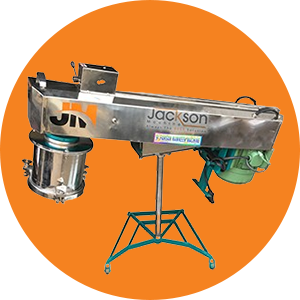
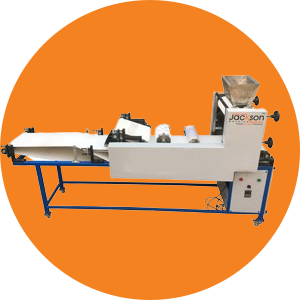
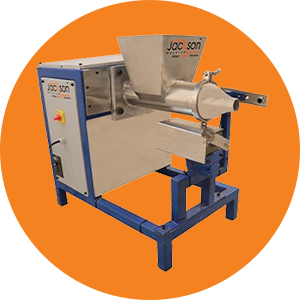

When you run a food business—be it a bustling hotel kitchen, a busy restaurant, or a large-scale catering unit—streamlining operations is key to both profitability and consistency. That’s why investing in an automatic chapati making machine can be a game-changer. In this blog, we’ll explore how an automatic chapati machine for commercial use brings real advantages of chapati making machine in food business contexts. We’ll look at how such a machine transforms output, quality, labor costs, hygiene, flexibility, and more—so you can decide if it’s time to upgrade. And since we are talking about heavy-duty results, we’ll touch on how the right chapati making machine for hotels and restaurants really stacks up.
Understanding the Need in Food Businesses
In many food operations, flatbreads like chapatis and rotis are staples—especially in Indian restaurants and hotels. Making them by hand or with semi-automatic tools can still leave bottlenecks: variable size, inconsistent cooking, labor dependency, fatigue, hygiene risks, slower throughput. That’s where a dedicated chapati making machine manufacturer in India such as Jackson Machine comes in, offering models designed for commercial scale. The difference between regular manual production and using a full-fledged roti making machine is profound.
What is an Automatic Chapati Making Machine?
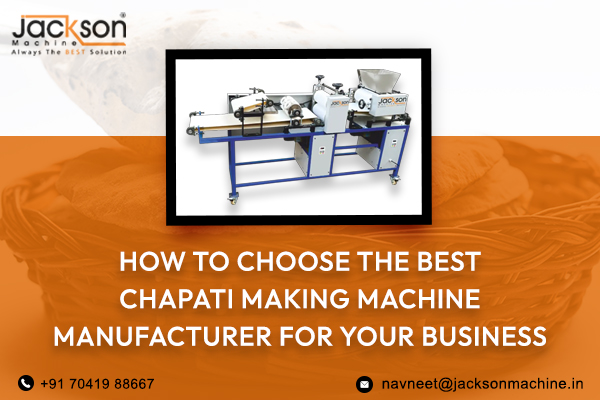
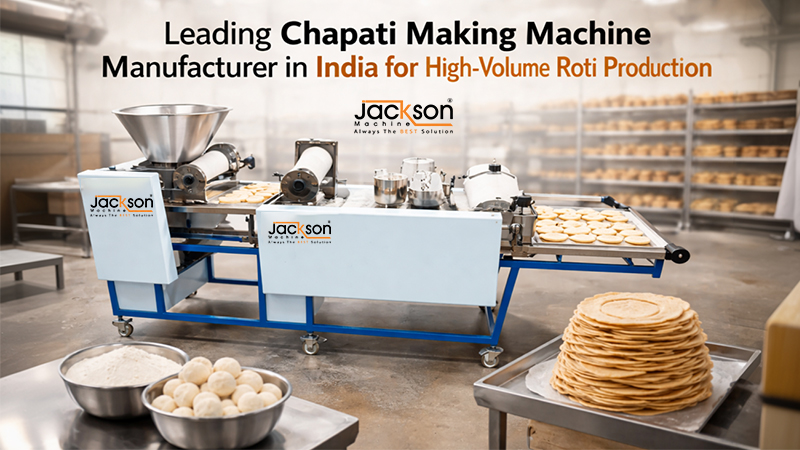
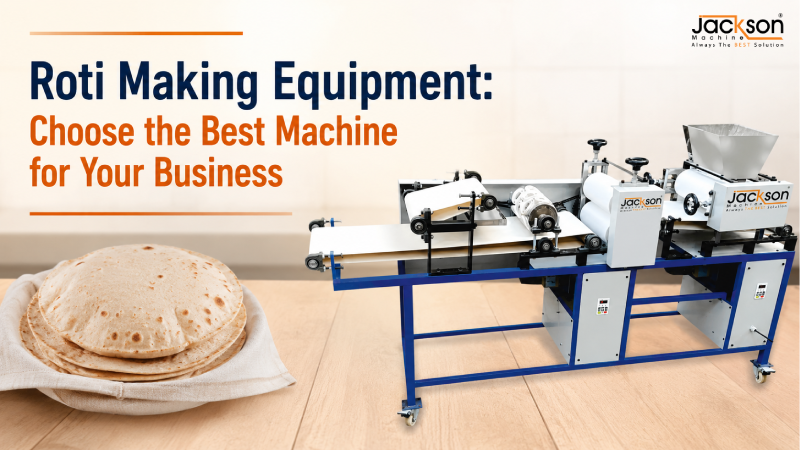
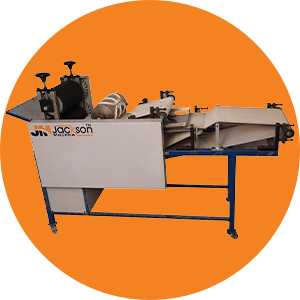
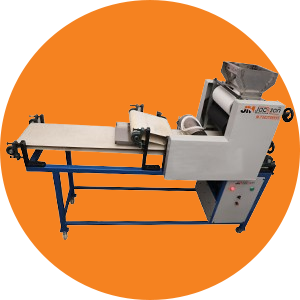
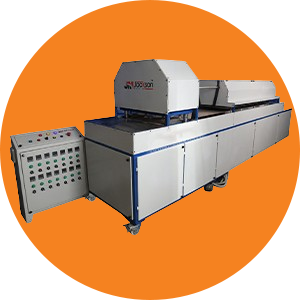
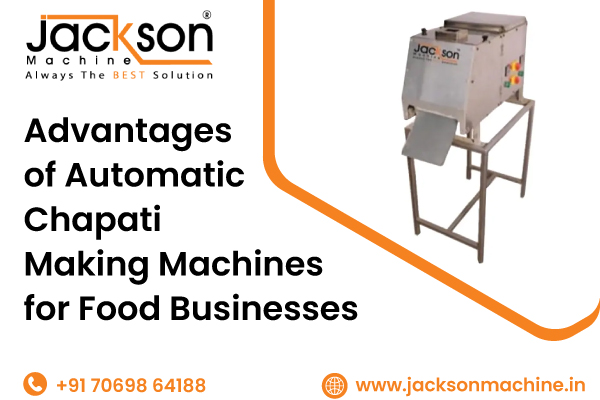
An automatic chapati making machine (sometimes marketed simply as a “roti machine” or “roti banane ki machine”) is an integrated system that handles dough ball formation, pressing/rolling, cooking/heating and stacking. Jackson Machine offers such machines in models suited for high-volume output. On their site you’ll find that they describe a machine that “automates the entire process … from dough mixing to pressing to cooking to stacking”
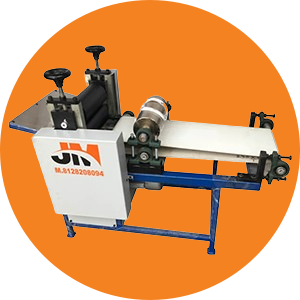
There are also semi-automatic chapati machines which still require some manual input (for example loading dough or removing cooked chapatis) but the core pressing and cooking are automated.
Key Advantages of an Automatic Chapati Machine for Commercial Use
High Throughput & Consistent Quality
With manual production, each chapati may vary slightly in size, thickness, and doneness. But an automatic chapati machine for commercial use ensures each piece is uniform. That consistency matters a lot in hotels and restaurants where customers expect the same experience every time. Also, the output per hour is significantly higher: for example, a dedicated machine can produce hundreds or even thousands of pieces in the time it would take manual labor to produce tens.
This means faster service, less waiting, and smoother kitchen flow.
Labor Cost Reduction & Efficiency
Food businesses often face rising labor costs and availability issues. When you deploy a chapati making machine for hotels and restaurants, you reduce dependency on large manual teams for flatbread production. One operator can manage the machine, freeing up staff for other tasks. That leads to more efficient labor usage and better productivity.
By working with a professional chapati making machine manufacturer in India, you get machines designed specifically to be user-friendly and reliable in a commercial environment.
Hygiene & Food Safety
In a manual or semi-manual setting, the dough, pressing, and cooking involve many touchpoints where hygiene could lapse. An automatic chapati making machine minimizes direct contact, reducing contamination risk and improving overall hygiene standards. For a food business, this is a major plus—not just in terms of compliance, but also in terms of customer confidence and brand image.
Versatility & Customization
The best machines allow you to adjust size, thickness, cooking time, and output rate. A strong roti making machine or roti banana ki machine enables you to test different recipes, adjust for different meals (breakfast chapatis vs lunch rotis) and adapt to changing menus. For example, if your hotel adds a buffet line or your restaurant starts a take-away model, having a machine that keeps up is a big plus.
Jackson Machine, as a chapati making machine manufacturer in India, offers different models (including both automatic and semi-automatic) so you can choose what fits your scale and budget.
Cost Recoup & Scaling Up
While upfront investment in an automatic chapati machine for commercial use is higher than manual methods, the return on investment can be rapid. Cost savings in labor, waste reduction (fewer irregular pieces), faster production, and enhanced capacity all contribute. For food businesses looking to scale—say opening multiple outlets or expanding catering orders, a machine pays off.
Plus, you get the advantage of standardization: every outlet or kitchen using the same machine will produce the same product, which is important for brand consistency.
Brand Reputation & Customer Experience
Serving perfect chapatis at speed can be a differentiator. For hotels and restaurants, being able to tout “freshly prepared for you with professional equipment” gives a subtle but real marketing edge. Using an automatic chapati making machine helps maintain that edge. Customers appreciate consistency and speed, and when a business has the right machine behind the scenes, the front-of-house experience improves too.
Reduced Waste & Better Yield
Manual production often leads to mistakes: uneven chapatis, under- or over-cooked ones, inconsistent thickness leading to fuzzy edges or burnt spots. With a machine, output is uniform and more predictable. That means less waste, better yield, and lower cost per piece. Over time, that adds up—especially in high-volume settings.
Ease of Maintenance & Longevity
A reliable chapati making machine manufacturer in India, for example Jackson Machine, builds equipment designed for commercial durability. With proper maintenance schedules you’ll have a machine running smoothly for years. That means less downtime, fewer repairs, and predictable cost of ownership. That stability matters for food businesses where downtime means lost production.
By offering both automatic and semi-automatic chapati machines, Jackson Machine gives flexibility for businesses at different scale levels.
Semi-Automatic Chapati Machine: When It’s the Right Choice
If you’re a smaller restaurant or a mid-sized catering unit, a semi-automatic chapati machine (where some manual steps remain) may be the sweet spot. You get many of the benefits—better output, consistency, and reduced labour without the full investment of a fully automatic system. Later you can scale up to a fully automatic chapati machine for commercial use as your business grows.
How to Choose the Right Machine: Key Considerations
When selecting a machine from a manufacturer like Jackson Machine, here are the factors you should evaluate:
- Production capacity: Does the machine handle your peak volume?
- Size and thickness adjustability: Can you produce various chapati sizes?
- Automation level: Fully automatic vs semi-automatic → which fits your staffing, budget, and growth plans?
- Footprint & installation: Does the machine fit your kitchen layout?
- Cooking/heating mechanism & quality: Does it deliver even cooking and crisp edges?
- Maintenance & parts availability: Is the manufacturer reliable, with good after-sales?
- Cost and ROI: What’s the payback period based on your output and savings?
- Manufacturer reputation: Choosing a trusted chapati making machine manufacturer in India ensures support, spares, service. Jackson Machine ticks this box with their product range and domestic/international presence.
Real-World Use-Case: Hotels & Restaurants
Imagine a hotel buffet line where chapatis need to be replenished continuously. Using an automatic chapati making machine means chefs don’t have to roll dough manually all day; instead, they can supervise the machine, monitor output, and focus on plating, presentation, and service. The chapatis come out uniformly sized, cooked to perfection, and ready for immediate service. That saves minutes per piece—which adds up to hours over a shift.
Similarly, a busy restaurant with high-volume patronage (lunch rush, dinner rush) can use a chapati machine for hotels and restaurants to ensure that the flatbread portion of the menu doesn’t become a bottleneck. Consistent size and cooking mean less rework and fewer complaints. That’s a win for kitchen operations and guest satisfaction.
The Role of a Trusted Manufacturer
Selecting your equipment from a credible vendor is crucial. As a well-known chapati making machine manufacturer in India, Jackson Machine offers a range of models—both the fully automatic and semi-automatic variants. On their website you can see the models listed and the range of capabilities.
Working with Jackson Machine means you get machines designed for Indian food business contexts: high throughput, durable build, and local service support. That local presence reduces import hassles, service delays, and spare-part costs.
Summary: Why This Investment Makes Sense
In the competitive world of food business operations, margins are tight, time is short, and consistency matters. Investing in an automatic chapati making machine for commercial use brings improved throughput, uniform quality, lower labor reliance, better hygiene, and faster scaling capability. For businesses that produce large volumes of chapatis or rotis, this machine is not just nice-to-have—it becomes a strategic asset. Even for smaller outfits, opting for a semi-automatic chapati machine offers many of the benefits at a lower entry point. And when you work with a solid provider like Jackson Machine—the right chapati making machine manufacturer in India—you’re backed by experience, support, and machines built for purpose.
Why Choose Us
At Jackson Machine we combine two decades of experience with a focus on commercial food-production realities. We understand that a hotel or restaurant isn’t just producing one chapati at a time, it’s producing hundreds, maybe thousands, and every piece must meet standards. Our automatic and semi-automatic chapati machines are engineered precisely for this scenario: designed, built and supported in India for Indian businesses. We make sure your investment drives performance, reliability, and growth.
Conclusion
In conclusion, if your food business is serious about delivering consistent, high-quality chapatis or rotis at scale, then investing in an automatic chapati making machine or a well-chosen semi-automatic chapati machine is a smart move. With the right machine from Jackson Machine and the right setup in your kitchen, you’ll improve efficiency, reduce costs, and delight customers with perfect flatbread every time.
Want faster, cleaner, and consistent chapati production? Contact Jackson Machine now at +91 63523 14282 or navneet@jacksonmachine.in. and transform your food business.