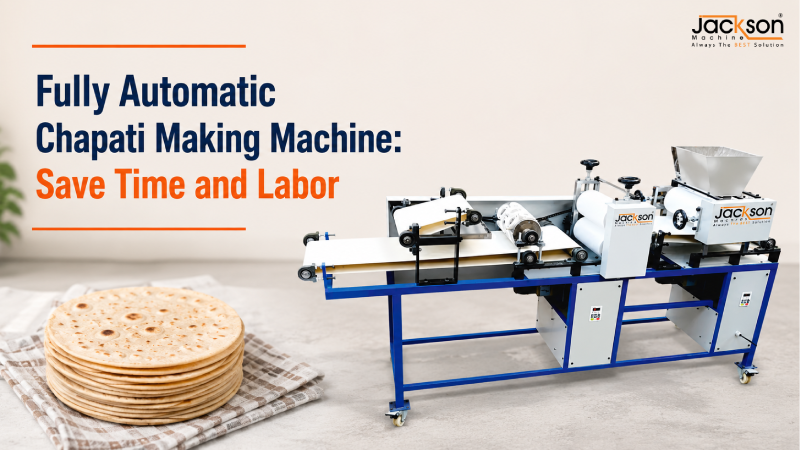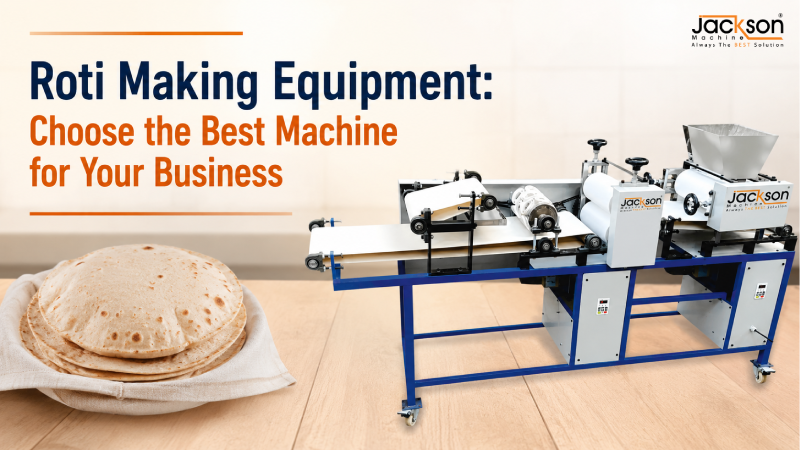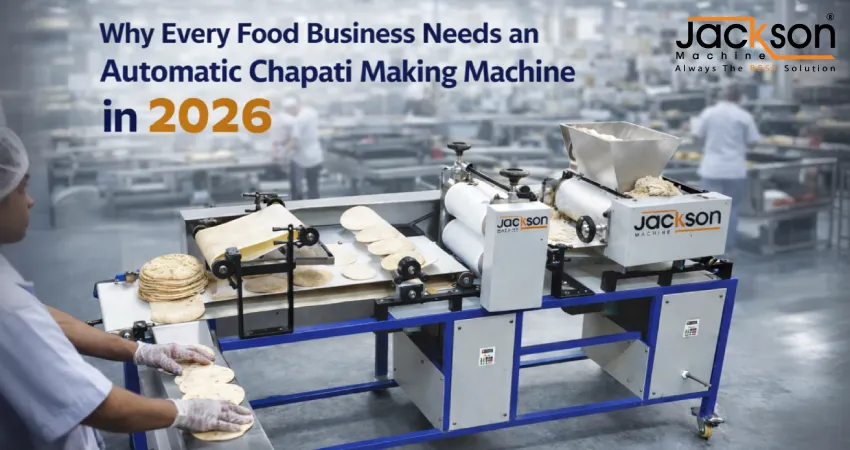
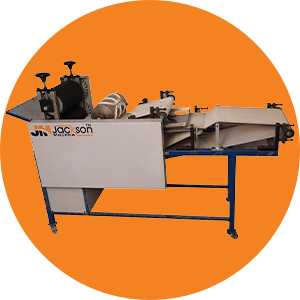
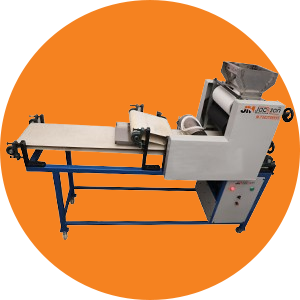
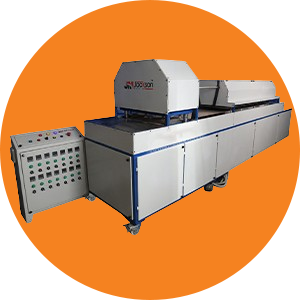
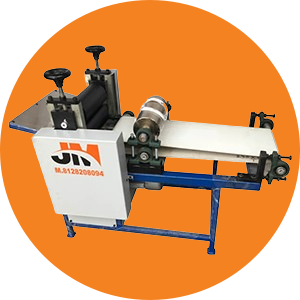


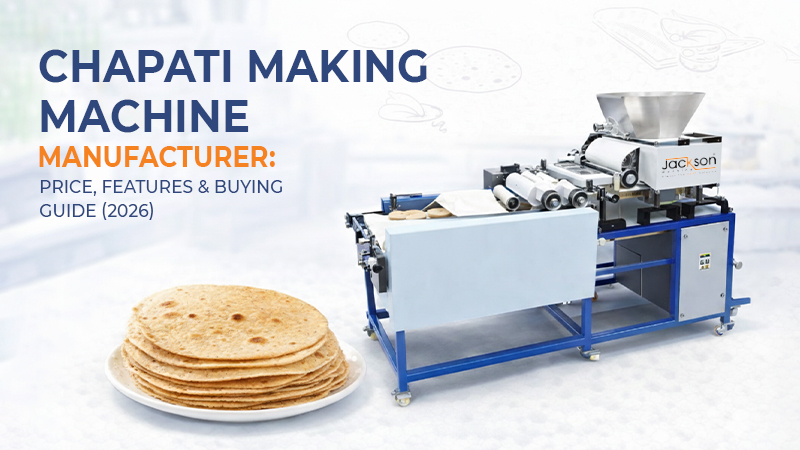
The Indian food processing industry is evolving rapidly, and automation has become a core requirement for commercial kitchens, food factories, hotels, cloud kitchens, and catering units. Among the most in-demand food processing solutions today is the Chapati Making Machine, designed to deliver speed, consistency, hygiene, and cost efficiency. As consumer demand for quality flatbreads continues to grow, businesses require machines that match high production expectations without compromising taste or texture.
Jackson Machine stands as a trusted name in this space, offering reliable and performance-driven chapati-making solutions for businesses of all sizes. This in-depth guide covers pricing factors, essential features, machine types, and a complete buying guide to help you choose the right equipment in 2026.
Understanding the Growing Demand for Chapati Making Machines
Manual chapati production is time-consuming, labor-intensive, and inconsistent at scale. Commercial establishments often face challenges such as fluctuating labor costs, hygiene control, and limited production capacity. A modern Chapati Making Machine solves these problems by automating dough pressing, baking, and puffing processes with precision.
The growing popularity of quick-service restaurants, industrial kitchens, hostels, and institutional catering has increased demand for the Top Chapati Making Machine models that deliver uniform size, thickness, and softness at high speed. Automation also supports food safety compliance, making machines a preferred investment for future-ready kitchens.
What Is a Chapati Making Machine?
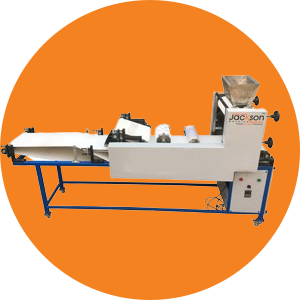
A Chapati Making Machine is a commercial food processing machine that automates the preparation of chapatis from dough to fully cooked flatbreads. Depending on the model, the machine can perform dough ball pressing, roasting, puffing, and controlled heating. High-quality machines replicate traditional cooking methods while maintaining consistent output. Businesses using the Top Chapati Making Machine benefit from reduced manpower dependency, predictable output, and faster turnaround times.
Key Features to Look for in a Chapati Making Machine
Choosing the right Chapati Making Machine involves understanding essential features that impact performance and longevity.
- Production Capacity: Output varies by model and is measured in chapatis per hour. Higher capacity suits industrial kitchens, while moderate output works well for restaurants.
- Build Quality and Materials: Food-grade stainless steel construction supports hygiene, corrosion resistance, and long-term use.
- Uniform Thickness Control: Consistent chapati thickness improves cooking quality and customer satisfaction.
- Energy Efficiency: Optimized heating systems reduce power consumption while maintaining cooking performance.
- Ease of Operation: User-friendly controls allow quick training and smooth daily operation.
- Maintenance Accessibility: Equipment with accessible components makes maintenance quicker, reducing both downtime and repair costs.
Chapati Making Machine Price in India (2026 Overview)
The price of a Chapati Making Machine varies based on several factors rather than a single fixed cost.
Factors Affecting Price
- Machine type (semi-automatic or fully automatic)
- Production capacity
- Heating mechanism
- Material quality
- Customization options
Entry-level models generally cost less and suit small kitchens, while fully automatic industrial machines command higher prices due to advanced automation and output capacity. When evaluating price, businesses should consider long-term operational savings, labor reduction, and consistent production quality.
Benefits of Investing in a Chapati Making Machine
A modern Chapati Machine offers measurable business advantages.
- Consistency and Quality: Uniform size, softness, and cooking improve brand reputation.
- Operational Efficiency: Automation increases output without increasing workforce dependency.
- Hygienic Production: Minimal manual contact supports food safety standards.
- Cost Control: Reduced labor costs and predictable output simplify budgeting.
- Scalability: Businesses can scale production with minimal infrastructure changes.
How to Choose the Right Chapati Making Machine
Selecting the correct Chapati Making Machine requires a structured approach.
- Assess Daily Production Needs: Estimate current and future chapati demand.
- Evaluate Space Availability: Confirm kitchen layout compatibility with machine dimensions.
- Power and Energy Considerations: Check electrical or gas requirements.
- After-Sales Support: Reliable service and spare availability support uninterrupted operations.
- Vendor Reputation: Choose a manufacturer with proven industry experience.
Application Areas for Chapati Making Machines
A Chapati Making Machine fits a wide range of food service environments:
- Hotels and restaurants
- Cloud kitchens
- Catering services
- Hostels and canteens
- Food processing units
- Central kitchens
The Top Chapati Making Machine adapts to diverse production scales while maintaining consistent results.
Technology and Innovation in Chapati Making Machines
Modern machines integrate advanced temperature control, synchronized heating plates, and precision pressing systems. These improvements help replicate traditional cooking while maintaining speed. Machines from Jackson Machine reflect industry advancements without introducing unnecessary complexity.
Why Choose Us
Jackson Machine stands out as a reliable manufacturer by focusing on quality engineering, practical design, and business-centric solutions. The company prioritizes durable materials, consistent performance, and customer-focused manufacturing. With experience in serving commercial kitchens across India, Jackson Machine understands real production challenges and builds machines that support long-term growth. From entry-level units to industrial-scale solutions, Jackson Machine delivers dependable chapati-making equipment aligned with modern food processing needs.
Conclusion
The food service industry demands speed, consistency, and hygiene, making automated solutions more important than ever. A Chapati Making Machine offers measurable advantages in productivity, cost control, and product quality. Choosing the Top Chapati Making Machine depends on capacity requirements, build quality, and manufacturer reliability. Businesses investing in the right equipment position themselves for scalable growth and operational stability. Jackson Machine continues to support food enterprises with performance-driven chapati-making solutions designed for commercial success in 2026 and beyond.
Looking for the Top Chapati Making Machine at +91 63523 14282 or email navneet@jacksonmachine.in.
Key Takeaways
- Automation Improves Consistency and Quality
Chapati making machines deliver uniform size, thickness, and softness, ensuring high-quality output and better customer satisfaction across restaurants, hotels, and industrial kitchens. - Suitable for Various Business Scales
From semi-automatic machines for small kitchens to fully automatic and industrial models for high-volume production, businesses can select equipment based on current and future demand. - Hygienic, Safe, and Efficient Production
Machines reduce manual contact, use food-grade materials, and support easier cleaning, helping kitchens meet modern hygiene standards while minimizing labor dependency. - Cost Savings and Operational Efficiency
Automation reduces workforce requirements, minimizes wastage, optimizes energy usage, and ensures predictable output, improving profit margins and workflow efficiency. - Informed Buying Decisions Are Key
Selecting the right machine involves evaluating production capacity, build quality, energy requirements, space availability, and after-sales support. A reliable manufacturer ensures long-term performance and scalability.
FAQs
What capacity should I choose for my kitchen?
Capacity selection depends on daily chapati demand. Small restaurants require lower output, while central kitchens benefit from high-capacity machines.
Is a fully automatic chapati making machine suitable for restaurants?
Yes, fully automatic machines suit high-demand restaurants seeking consistent output and reduced labor involvement.
What material is best for chapati machines?
Food-grade stainless steel supports hygiene, durability, and long operational life.
How long does a chapati making machine last?
With proper maintenance, commercial machines deliver reliable performance for many years.
Does Jackson Machine provide customization options?
Yes, Jackson Machine offers machine configurations aligned with specific production requirements.