
Key Takeaways
- Understand the significance of choosing the right masala mixer machine for achieving consistent flavor profiles in bulk production.
- Evaluating drum capacity and motor power is crucial for selecting an efficient masala mixing machine that meets your production needs.
- Prioritize hygiene and food-grade construction to ensure compliance with safety standards in your masala mixing machine.
- Consider the ease of operation and maintenance to enhance productivity and minimize downtime in your processing line.
- Investing in a versatile masala mixing machine can streamline operations across different product types in your culinary business.
Producing masala in bulk requires more than simply combining different spices. The ingredients need to be mixed properly so that the finished blend has a consistent distribution of its components. For commercial kitchens, spice manufacturers, food processing units, and businesses producing seasoning blends, the choice of mixing equipment can directly affect the practicality and consistency of the production process.
A suitable Masala Mixer Machine can simplify the blending process by mechanically mixing powdered spices and ingredients. However, selecting the right machine requires attention to several factors, including the type of ingredients, required batch size, available power supply, machine construction, operating convenience, cleaning requirements, and the nature of your production process.
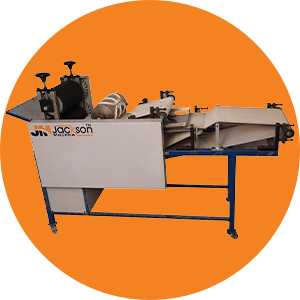
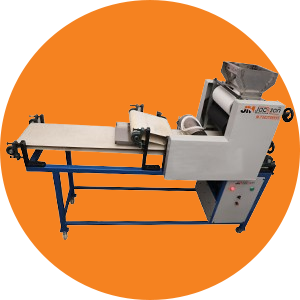
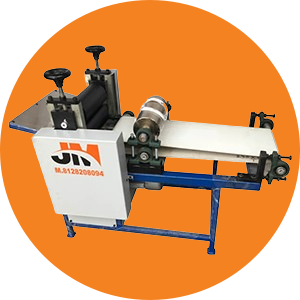
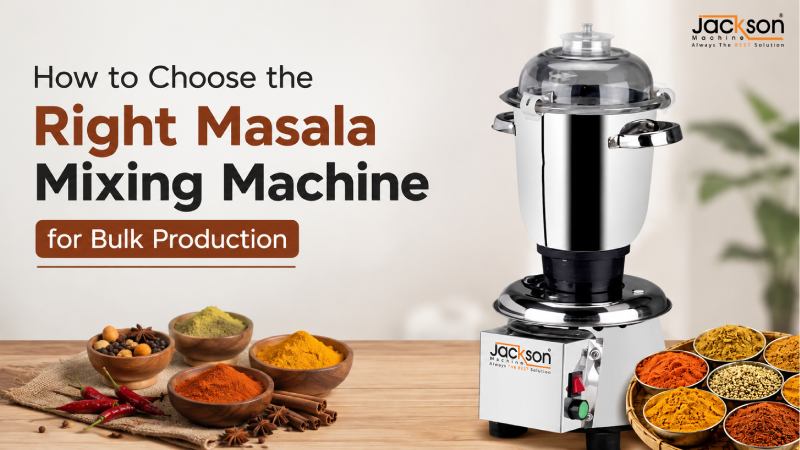
Jackson Machine offers a Masala Mixing Machine designed for applications where spices and powdered ingredients need to be blended efficiently. The product listing specifies a 2 ft model with a 1 HP motor and describes the machine as suitable for commercial kitchens, spice manufacturers, food processing units, and culinary businesses.
Why Bulk Masala Production Needs the Right Equipment
If demand increases, manual spice blending can become a bottle neck. Hand-assembling is fraught with problems, such as uneven mixing, inconsistent flavors, and long processing times. A dedicated Masala Mixing Machine can easily eliminate these problems by ensuring the blending is even and uniform, and it takes only a fraction of the time to complete blending, enabling your team to package, inspect, and expand your business without standing over mixing drums for hours.
Repeatability is also a requirement of bulk production. The same taste and aroma are expected for all packages regardless of batch one or batch one thousand. The quality of spices being blended with a well-made Masala Mixer Machine is of the same standard time and time again, and each batch will safeguard your brand’s reputation.
Key Factors to Consider Before Buying
1. Drum Capacity and Batch Size
Determine how much you want to produce each day or hour of the machine selection. The majority of masala mixing equipment comes in different drum sizes to accommodate varied work scales, such as tiny kitchens or large food processing facilities. For a business that wants to grow in the near future, it’s recommended to purchase a Masala Mixing Machine that has a bit more capacity than what they need, so that they don’t reach the end of the first year or two and discover they outgrow it.
2. Motor Power and Build Quality
The motor is the core of any mixing equipment. The motors for bulk production machines are usually between fractional horsepower and a few horsepower machines. In addition to the power of the motor, the drum and blades’ material and construction are equally important. The well-designed Masala Mixer Machine with a durable construction ensures robust continuous operation without regular downtime, directly impacting your daily production and maintenance expenses.
3. Hygiene and Food-Grade Construction
Since the machine comes in direct contact with edible spices and powders, hygiene cannot be compromised. Food-grade materials, smooth interior surfaces, and easy-to-clean drums are non-negotiable features for any serious buyer. A hygienic spice blending unit protects your product quality and helps your business stay compliant with food safety expectations.
4. Ease of Operation and Maintenance
Bulk production units may operate several shifts a day, so the machine you purchase should be easy enough to operate so that the workers are not highly trained. Be sure to find easy to use controls, easy to access parts for cleaning and as much downtime as possible. A machine that requires low maintenance is able to keep your production schedule on track even during peak demand periods.
5. Versatility Across Products
Many food units do not just make the masalas, they also process namkeen, farsan, seasonings and coatings for snacks. Having a machine that performs multiple product types will provide flexibility, without having to purchase several separate machines, for your business. One of the main reasons why manufacturers choose a multi-purpose Masala Mixing Machine over a one-time use machine is due to its versatility.
Benefits of Investing in the Right Masala Mixer Machine
Choosing correctly pays off in more ways than one. The benefits of a properly equipped machine to your production line are:
A consistent flavor and aroma throughout the batch, ensuring that your customers always enjoy the same experience. Savings in manpower, which allows other staff members to work on other important activities within your unit. Higher daily output, without extending working hours, due to faster processing time. Reduce the cost of maintenance over time by construction of the machine using durable, food grade materials. Improved hygiene practices—an important concern for food safety-minded consumers and food safety authorities.
These benefits are compounded over time, particularly for large-scale spice, seasoning, or snack coating manufacturers. A reliable spice blending facility is not simply equipment, it’s a fundamental part of your production approach.
Understanding Motor and Power Requirements
The amount of power used will depend on the size of the operation and the nature of the spices to be processed. The finer the powders, the less force is required for the motor to achieve the desired mixing rate, and a higher mixing rate may be needed for denser mixtures with coarser ingredients or oil-based masalas. The buyer should consult with the manufacturer to determine the type of products they are expected to have on a regular basis, as a machine that is not powerful enough can put strain on its motor and wear out earlier than anticipated.
Equally critical is voltage compatibility and electrical load, especially those that are used in places with inconsistent power supplies. The use of a machine that is overloaded protected and performs the motors well will reduce the chances of unexpected breakdowns in production runs. It is a factor that cannot be overlooked when thinking of downtime because it will directly affect the delivery schedule and customer commitments.
Cost Considerations and Long-Term Value
Price is an important consideration for any business investment, but it is not the only consideration or criteria when buying food processing machinery. A more expensive initial price for a good-quality Masala Mixing Machine can actually mean less repair costs, less downtime, and a longer life than lower cost machines made of lower quality materials. The total cost of ownership should be considered in addition to the purchase price of the equipment, including the expected maintenance, availability of spare parts, and electricity usage.
Another aspect to consider is the return on investment in terms of labour savings and output. There are machines available that can save hours of man hours and increase the speed of a batch processing – which may, in a fairly short time, pay for itself, particularly if operating 2 or more shifts per day or with high order volumes. If you think of buying it as an investment and not just an immediate cost, you will make better and more long-term choices.
Why Choose Us
Jackson Machine stands out for buyers who want dependable, well-built food processing equipment backed by real industry experience rather than empty promises. Our team understands the daily challenges faced by namkeen manufacturers, spice units, and commercial kitchens, and we build machinery that addresses those practical problems directly, from hygiene concerns to output speed and ease of maintenance. Every machine we offer is designed with food-grade construction, sturdy motors, and simple controls so that your staff can operate it confidently from day one without added training costs. Beyond the product itself, we prioritize honest communication, transparent pricing, and after-sales support so businesses never feel left alone once the purchase is made. Choosing us means choosing a partner who values long-term reliability over short-term sales, which is exactly what a growing food processing business needs from its equipment supplier.
Conclusion
Selecting the right masala mixing equipment is not just a purchase decision; it directly shapes your product quality, production speed, and long-term operating costs. By evaluating drum capacity, motor strength, hygiene standards, and ease of maintenance, food businesses can find equipment that genuinely supports their growth plans. Jackson Machine continues to support namkeen manufacturers and food processing units across India with practical, well-built machinery suited for real commercial demands. Making an informed choice today saves both time and money down the line, helping your production line run smoothly for years to come.
Want to know more about our masala mixing solutions and how they can fit your production line? Call Jackson Machine at +91 63523 14282 or email navneet@jacksonmachine.in.
Frequently Asked Questions
What should I consider when buying a Masala Mixer Machine?
You should consider drum capacity and batch size, motor power and build quality, hygiene and food-grade construction, ease of operation and maintenance, as well as the machine’s versatility across different products.
How does a Masala Mixing Machine improve production efficiency?
A Masala Mixing Machine improves production efficiency by ensuring even and uniform blending in a fraction of the time compared to manual methods, thereby reducing bottlenecks and allowing for faster packaging and inspection.
What are the hygiene requirements for a masala mixing machine?
Hygiene requirements include food-grade materials, smooth interior surfaces, and easy-to-clean designs to ensure that the machine maintains high standards of hygiene and complies with food safety regulations.
How do I determine the right motor power for my masala mixing needs?
The right motor power depends on the size of your operation and the density of the spices being mixed. It’s important to consult with the manufacturer to ensure the motor is powerful enough for your specific mixing requirements without putting undue strain on the equipment.
What is the importance of drum capacity in a masala mixing machine?
Drum capacity is crucial because it determines how much product you can produce in one batch. Choosing a machine with an adequate drum size allows for scaling production as your business grows, preventing the need for replacement equipment shortly after purchase.