Key Takeaways
- The Dough Ball Cutting Machine ensures uniform portions for consistent chapati, roti, puri, and paratha production.
- Achieve up to 3000 pieces per hour with our efficient dough portioning solution.
- Uniform dough weight enhances the quality of rolling and cooking processes in bulk production.
- Ensure your dough ball cutting machine meets specific weight and production requirements for optimal performance.
- The Dough Ball Cutting Machine ensures uniform dough portions for consistent chapati, roti, puri, and paratha production.
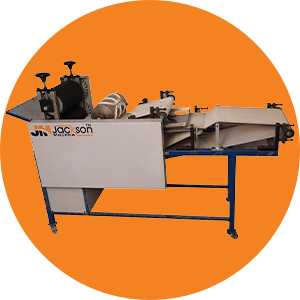
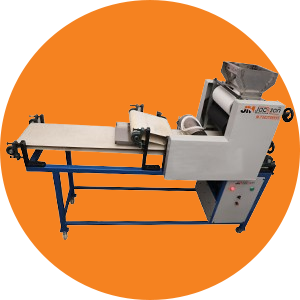
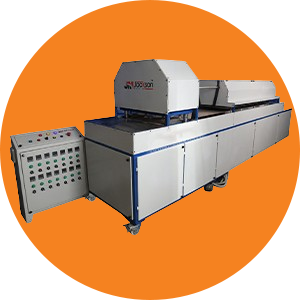
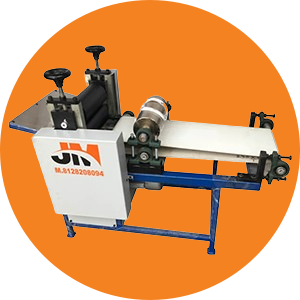
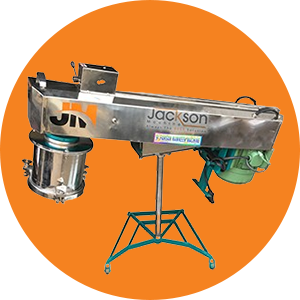
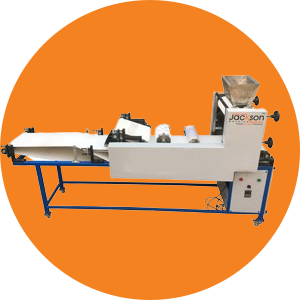
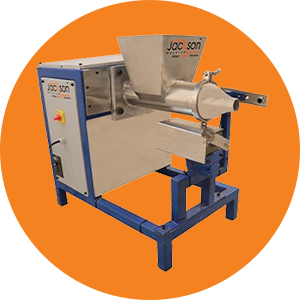
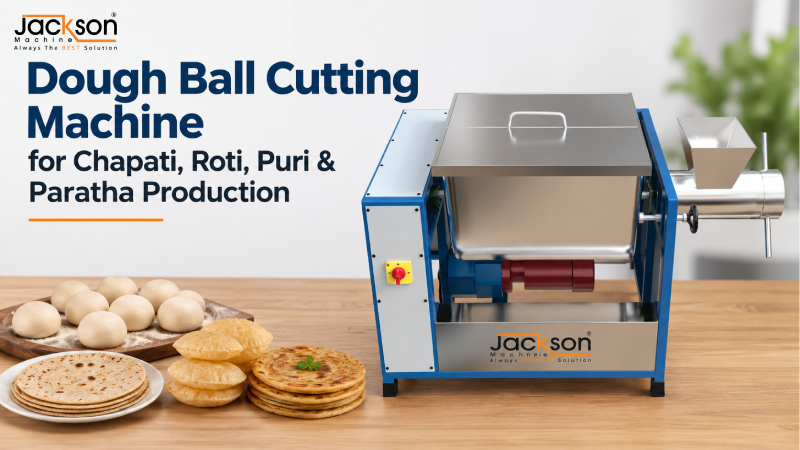
Jackson Machine is a leading manufacturer of Dough Ball Cutting Machine for commercial food preparation and dough portioning applications. When chapati, roti, puri, or paratha production involves large quantities of dough, consistent portioning becomes an important part of the process. Our machine is designed to divide dough into uniform portions, helping commercial kitchens and food businesses maintain a more consistent preparation process.
What Is a Dough Ball Cutting Machine?
A dough ball cutting machine is used to divide prepared dough into individual portions of a required size and weight. Instead of manually separating every piece, the machine handles the portioning process in a more organized and efficient manner.
For businesses involved in bulk food preparation, this can be useful where dough has to be prepared repeatedly for roti, chapati, puri, paratha, bread, buns, pizza bases, and other dough-based products. The Jackson Machine product page states that the machine is designed for uniform dough portions and commercial food preparation applications.
How It Supports Chapati, Roti, Puri & Paratha Production
The first stage of making many Indian flatbreads is obtaining suitably portioned dough. When the portions differ significantly, rolling and cooking can become less consistent. A dough portioning machine helps standardize this initial stage.
For chapati and roti production, uniform dough portions can support consistent rolling sizes. For puri and paratha production, the same concept can simplify repetitive dough preparation.
Our machine is suitable for applications where operators need to process dough portions in a defined weight range rather than separating every portion manually. The listed model, DBM4, has a dough ball weight range of 20 grams to 60 grams.
Key Specifications of the Machine
The available product specifications provide useful information for B2B buyers who are evaluating whether the machine fits their production requirements.
Parameter | Specification |
Model No. | DBM4 |
Capacity | 3000 pcs/hr |
Dough Ball Weight | 20–60 grams |
Dimensions | 2.6 × 3.3 × 16 ft |
Machine Weight | 65 kg |
These specifications are based on the product information published by Jackson Machine. Buyers should match the listed dough weight and capacity with their actual production requirements before selecting the equipment.
Benefits of Using a Dough Ball Cutting Machine
Manual dough portioning can take considerable attention when a kitchen or food unit handles repeated production. A machine-based approach can make the process more systematic.
The main benefits include:
- Uniform dough portions: The machine is designed to produce evenly sized dough portions.
- Faster repetitive processing: The listed model has a capacity of up to 3000 pieces per hour.
- Reduced manual portioning: Operators do not need to individually separate every dough portion by hand.
- Suitable for multiple applications: The manufacturer lists applications including bread, pizza, buns, rotis, chapatis, and other dough-based products.
- Useful for commercial food operations: The machine is positioned for commercial kitchens, bakeries, restaurants, and food processing units.
Why Uniform Dough Weight Matters
Uniformity at the dough portioning stage can influence the consistency of the next production steps. When portions are close in weight, the operator has a more predictable quantity of dough to roll, shape, and cook.
This is particularly relevant in bulk chapati and roti production, where repeated manual portioning may make the preparation process less consistent. Consistent dough portioning creates a more controlled starting point for downstream production.
For a B2B buyer, the right machine should therefore be evaluated not only by output but also by whether its specified dough weight range matches the products being prepared.
Where This Machine Can Be Used
The machine can fit into several commercial food preparation environments where repetitive dough portioning is required. Based on the manufacturer’s listed applications, suitable environments include:
- Commercial kitchens
- Bakeries
- Restaurants
- Food processing units
- Catering and bulk meal preparation operations
The manufacturer also identifies the machine as suitable for different dough-based products, making it relevant for businesses that handle more than one type of preparation.
What Buyers Should Check Before Selection
Choosing dough-processing equipment should begin with the production requirement. A quick buyer checklist can help determine whether the listed model is appropriate.
- Check the required dough ball weight for your product.
- Compare your expected production quantity with the machine capacity.
- Consider the space available for installation.
- Identify whether the machine will be used for one product or multiple dough-based products.
- Discuss your application with the manufacturer before placing an order.
These checks are especially useful for businesses producing chapati, roti, puri, or paratha in regular commercial quantities.
Why Choose Us
Jackson Machine focuses on food processing machinery and offers dough-related equipment for commercial applications. Our product range includes dough and chapati processing machines, while this model is specifically designed for dividing dough into uniform portions. We provide product information and technical specifications so buyers can evaluate the machine according to their production needs.
Conclusion
A well-organized dough preparation process can make repetitive food production easier to manage. The Dough Ball Cutting Machine from Jackson Machine is designed for uniform dough portioning and is listed with a capacity of 3000 pieces per hour and a dough ball weight range of 20 to 60 grams for model DBM4. For commercial kitchens, bakeries, restaurants, and food processing units working with chapati, roti, puri, paratha, and other dough-based products, selecting equipment according to required portion weight, output, and available space is important. Our team can help buyers understand the machine details before making a purchasing decision.
Looking for a reliable Dough Ball Cutting Machine for your chapati, roti, puri, or paratha production setup? Contact Jackson Machine today to discuss your requirement and get product guidance from our team.
Phone: +91 63523 14282
Email: navneet@iacksonmachine.in
Frequently Asked Questions
What is a Dough Ball Cutting Machine?
A Dough Ball Cutting Machine is a device used to divide prepared dough into uniform portions of a specified size and weight. This machine enhances efficiency in commercial food preparation by automating the portioning process, which is especially useful for producing items like chapati, roti, puri, and paratha.
How does a Dough Ball Cutting Machine support production?
The Dough Ball Cutting Machine supports production by ensuring uniform dough portions, which leads to consistent rolling and cooking. This is crucial in applications like chapati and roti production, where even sizes contribute to improved cooking performance.
What are the benefits of using a Dough Ball Cutting Machine in my kitchen?
Benefits of using a Dough Ball Cutting Machine include faster processing of up to 3000 pieces per hour, reducing manual effort in dough portioning, and maintaining uniformity in dough sizes. It’s ideal for commercial kitchens, bakeries, and other food operations handling large quantities of dough.
What specifications should I look for in a Dough Ball Cutting Machine?
When selecting a Dough Ball Cutting Machine, consider the required dough ball weight, machine capacity, and the available space for installation. Ensure that these specifications align with your production needs for products like chapati, roti, puri, or paratha.
Where can I use a Dough Ball Cutting Machine?
A Dough Ball Cutting Machine can be used in various commercial food preparation environments, including commercial kitchens, bakeries, restaurants, catering services, and food processing units. Its versatility makes it suitable for preparing different types of dough-based products.