Key Takeaways
- An Automatic Chapati Making Machine boosts production capacity for high-volume food businesses by ensuring consistent speed and quality.
- Switching to automated chapati production enhances hygiene standards by reducing manual handling and touchpoints.
- Selecting the right chapati machine is crucial; it should align with production needs and kitchen layout.
- Investing in an Automatic Chapati Making Machine can lead to long-term cost efficiency through reduced labor and increased output.
- Finding a reputable Chapati Making Machine Manufacturer in India is essential for reliable equipment designed for commercial kitchens.
For restaurants, hotels, caterers, canteens, cloud kitchens, food service operations, and other businesses serving chapatis at scale, preparing every piece manually can become a demanding and time-consuming kitchen task. As daily order volumes increase, businesses need a practical way to streamline production while maintaining a consistent process. This is where an Automatic Chapati Making Machine can become an important part of a commercial food preparation setup.
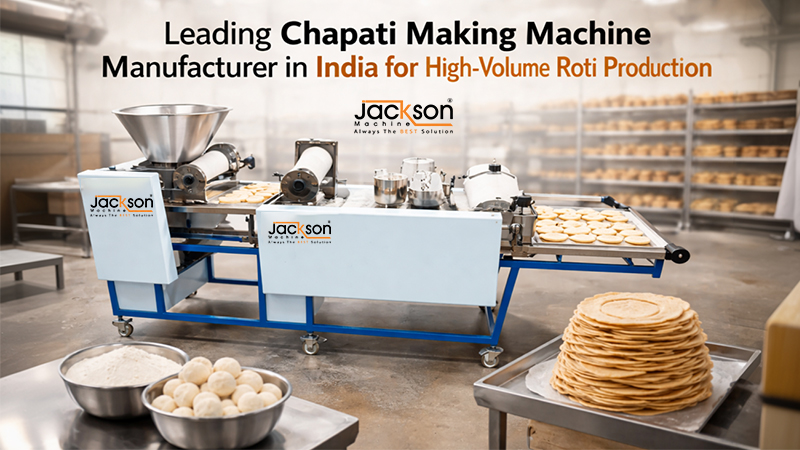
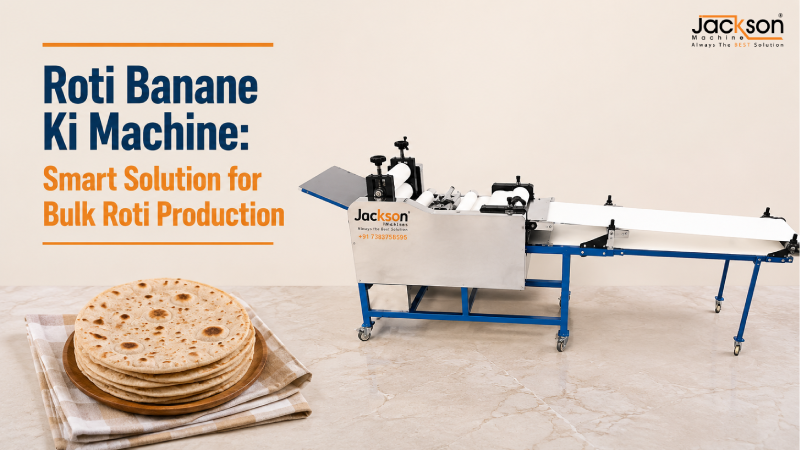
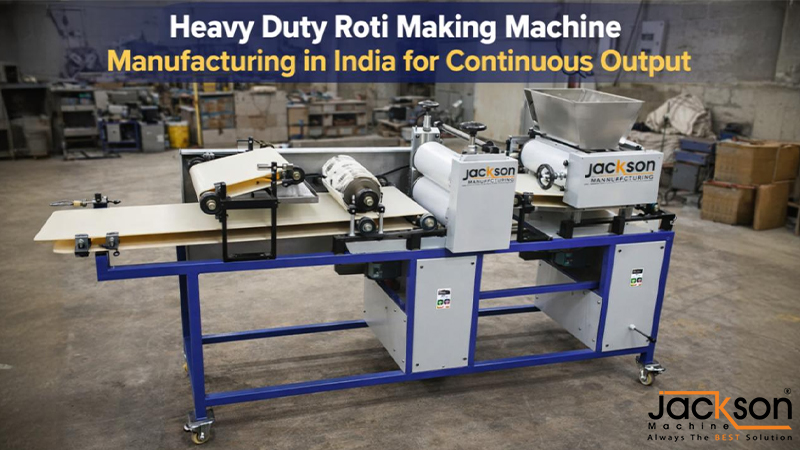
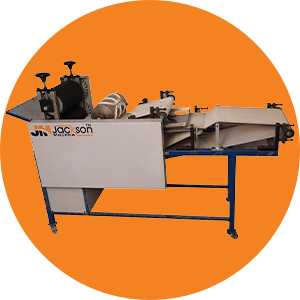
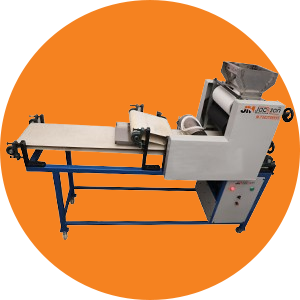
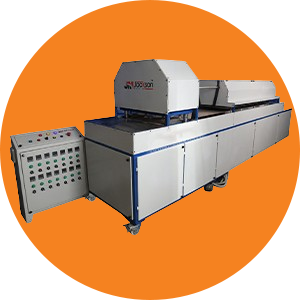
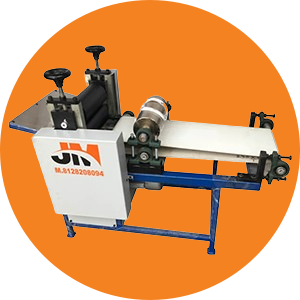
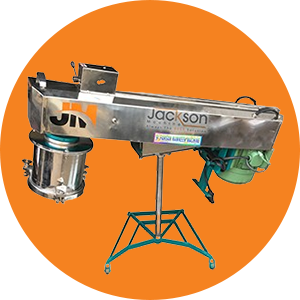
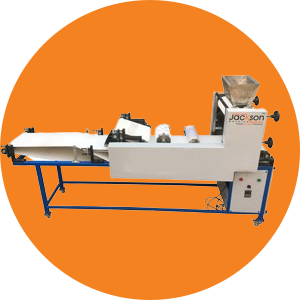
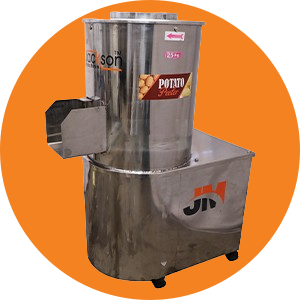
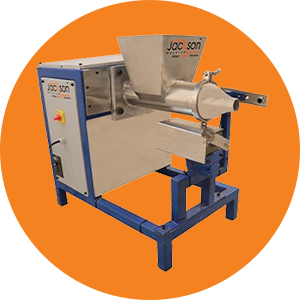
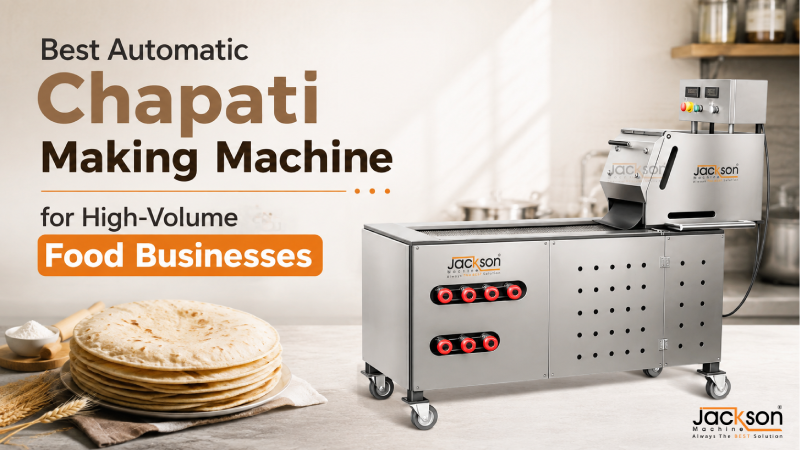
A modern chapati-making system can bring several stages of production together, including dough handling, forming, pressing, cooking, and stacking, depending on the machine configuration. This can reduce dependence on repetitive manual work and create a more organized production workflow. The product category from Jackson Machine includes different chapati and roti-making solutions, including an automatic model, semi-automatic equipment, raw chapati machinery, roti machines, pressing machines, and related options.
For a high-volume food business, selecting machinery should not be based simply on the word “automatic.” Production requirements, workflow, available space, product type, operating process, and the level of automation required should all be considered before making a purchase. The right machine should fit the business rather than forcing the business to change its entire production process around the equipment.
Why Manual Chapati Making No Longer Works for Growing Businesses
This classic chapati is produced by hand and works well in tiny kitchens with a small order. Once volume rises, however, manual methods begin to become the limiting factor. Staffing turns into unpredictable, quality varies between batches, depending on who is rolling the dough, and labour costs are slowly rising as demand increases. In addition, manual handling creates the potential for contamination, a significant factor for any food business that is concerned about high standards of hygiene.
This is where an Automatic Chapati Making Machine comes in handy to solve the problems which are impossible to solve using manual process. It removes all the steps in the dough pressing and baking process from human control and places them in a repeatable process. The outcome is even thickness, shape and guaranteed cooking each and every time, even during busy lunch hours.
What This Type of Machine Actually Does
The core of a commercial chapati machine is to replicate and enhance the traditional technique of making chapati which involves pressing the dough into a round shape, rolling it to the required thickness and bake it both sides until it puffs. The difference is this occurs at a scale and speed that no team of cooks could do by hand, hour after hour without a drop in quality.
For example, Jackson Machine can manufacture chapatis so large that they can be made in a number of hundred per hour, which makes them good for use in hotels, restaurants, catering houses and institutional kitchens that need to serve the number of hundred guests within a blink of an eye. Most models have a temperature control mechanism that is based on a thermostat so that the baking temperature remains constant throughout the day, batch after batch, which eliminates the need for constant manual adjustments by kitchen personnel.
Another crucial aspect of the design is food-grade construction. The components that come into contact with dough and chapati are generally made from stainless steel or other food safe substances, ensuring good hygienic conditions and easier cleaning of chapati making stations throughout the day compared to multiple hand-rolling stations.
Key Benefits of Switching to Automated Chapati Production
- Higher Production Capacity For businesses dealing with large daily order volumes, output speed matters more than almost anything else. A well-built chapati machine can produce a significantly higher number of chapatis per hour compared to manual rolling, helping kitchens keep pace with peak-hour demand without stretching staff hours or delaying service.
- Consistent Quality Every chapati that comes out of the machine has the same thickness, shape, and level of browning. This kind of consistency builds customer trust, especially for restaurant chains and franchises where uniformity across different locations matters a great deal.
- Lower Labor Dependency Automating the chapati-making process reduces the number of staff needed for this one task, freeing up kitchen workers to focus on other essential prep and service work that still needs a human touch.
- Better Hygiene Standards Less manual handling of dough and finished chapatis means fewer touchpoints, which supports better food safety practices at a time when customers are more conscious about hygiene than ever before.
- Simple Operation and Maintenance Most modern chapati machines come with straightforward control panels that require only basic training to operate confidently. Components are designed for quick disassembly and cleaning, which keeps downtime low even during busy service hours.
- Long-Term Cost Efficiency While the upfront investment in a machine is higher than hiring extra kitchen staff, the long-term savings on labor, reduced wastage, and increased output typically make the machine more cost-effective within a reasonably short period.
Who Should Invest in This Kind of Equipment?
This type of equipment is particularly valuable for a wide range of food businesses, including:
- Restaurants and hotels with high daily footfall
- Catering companies handling large events and bulk orders
- Institutional kitchens such as hospitals, schools, and corporate canteens
- Food processing units supplying packaged chapatis to retail or wholesale buyers
- Cloud kitchens and quick-service restaurants that are scaling up operations
If your business falls into any of these categories, working with an experienced Chapati Making Machine Manufacturer in India can help you find equipment sized correctly for your daily volume, kitchen layout, and budget, rather than settling for a generic, one-size-fits-all machine.
How to Choose the Right Manufacturer
Not every machine on the market is built the same way, so choosing the right manufacturer matters just as much as choosing the right machine model. Here are a few things worth checking before making a final decision.
- Build Quality and Materials: Look for machines built with food-grade stainless steel and other durable, safe materials. This affects both hygiene standards and the overall lifespan of the equipment.
- Production Capacity: Match the machine’s hourly output to your actual order volume. A machine that is too small will bottleneck your kitchen during rush hours, while one that is oversized adds unnecessary upfront cost.
- After-Sales Support: A commercial machine is a long-term investment, so responsive customer service, spare parts availability, and technical support matter just as much as the initial purchase price.
- Industry Experience: A Chapati Making Machine Manufacturer in India with years of hands-on experience in food processing machinery is far more likely to understand practical kitchen challenges and design equipment that actually holds up under daily commercial use.
- Safety Features: Heat-resistant covers, automatic cut-off systems, and emergency stop functions are important safety considerations for any equipment placed inside a busy commercial kitchen.
This manufacturer profile fits closely with the kind of reputation Jackson Machine has built in the food processing equipment space through years of steady, practical engineering work.
Jackson Machine: Built for Commercial Kitchens
The company has positioned itself as a name many businesses turn to when looking for dependable food processing equipment, and its lineup of chapati machines is designed specifically with commercial-scale kitchens in mind. The machines are engineered to handle continuous operation, which is essential for kitchens that run for extended hours without meaningful breaks in production. Many buyers researching a dependable Chapati Making Machine Manufacturer in India come across this brand precisely because of its focus on commercial, not just home-kitchen, use cases.
This manufacturer’s approach focuses on practical, everyday usability: straightforward controls, food-safe construction, and a design that supports easy cleaning and routine maintenance. For food businesses that cannot afford downtime during service hours, this focus on reliability plays a significant role in daily operations and overall customer satisfaction, and it is one of the reasons repeat customers keep coming back for additional units as they expand.
Beyond the machine itself, the team also supports customers with guidance on selecting the right capacity and configuration based on kitchen size and expected order volume, which is particularly useful for businesses automating their chapati production for the first time and unsure where to start. From the initial inquiry to installation and post-purchase support, the process is designed to feel straightforward rather than overwhelming, even for first-time buyers of commercial kitchen equipment.
Why Choose Us
Jackson Machine brings together years of hands-on experience in food processing machinery with a genuine understanding of what commercial kitchens actually need on a daily basis. Rather than offering a one-size-fits-all product, the team works with businesses to understand their production volume, kitchen layout, and budget before recommending a machine, which means customers get equipment that fits their operation instead of forcing their operation to fit the equipment. The machines are built using food-grade materials, designed for straightforward cleaning, and backed by responsive customer support for questions on installation, operation, or maintenance. As a trusted manufacturer working with restaurants, hotels, caterers, and institutional kitchens across the country, this team has built a track record based on consistent performance rather than one-time sales. Choosing this team means choosing a partner that stays involved well beyond the initial purchase, supporting your business as it grows year after year.
Conclusion
For food businesses aiming to scale without compromising on quality or hygiene, an Automatic Chapati Making Machine is no longer a luxury but a practical necessity for daily kitchen operations. It delivers consistent output, reduces labor strain, and supports better food safety practices across busy commercial kitchens of every size. As an experienced Chapati Making Machine Manufacturer in India, Jackson Machine offers equipment built around real kitchen needs and backed by ongoing customer support. Purchasing the appropriate equipment can improve your kitchen’s daily productivity, season after season, without placing an additional burden on your staff or your finances, regardless of whether you own a restaurant, hotel, or catering company.
Want details on our automatic chapati machines and the right fit for your kitchen? Call +91 63523 14282 or email navneet@jacksonmachine.in.
Frequently Asked Questions
What is an Automatic Chapati Making Machine?
An Automatic Chapati Making Machine is a specialized kitchen appliance designed to automate the process of making chapatis. It combines various stages of production including dough handling, forming, pressing, cooking, and stacking, thereby streamlining workflows in high-volume food businesses.
How does an Automatic Chapati Making Machine improve efficiency for food businesses?
This machine significantly increases production capacity by consistently producing a higher number of chapatis per hour compared to manual methods. It ensures uniform quality, reducing labor dependency and supporting better hygiene standards in commercial kitchens.
What should I consider when choosing an Automatic Chapati Making Machine?
When selecting an Automatic Chapati Making Machine, consider factors like production capacity, build quality, maintenance requirements, and after-sales support. Matching the machine’s output to your actual order volume is crucial to avoid bottlenecks during peak hours.
Why should I contact a Chapati Making Machine Manufacturer in India?
Contacting a Chapati Making Machine Manufacturer in India, like Jackson Machine, ensures you receive equipment tailored to your specific kitchen needs, including size, budget, and production volume. Manufacturers with experience in the industry can provide valuable insights and support.
What are the long-term benefits of investing in an Automatic Chapati Making Machine?
Investing in an Automatic Chapati Making Machine can lead to long-term cost efficiency through reduced labor costs and increased output. The consistent quality of chapatis produced also enhances customer trust and satisfaction, essential for maintaining a competitive edge in the food industry.