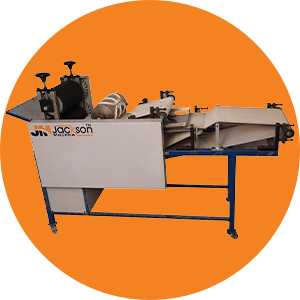
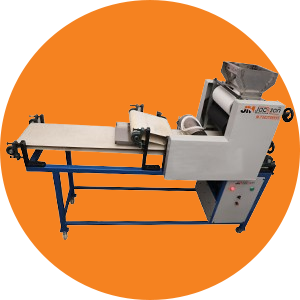
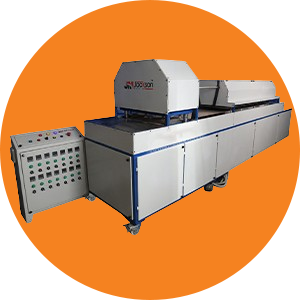
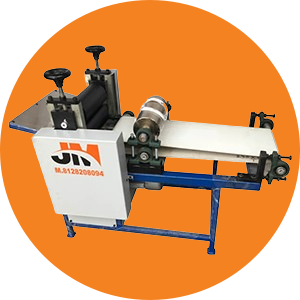
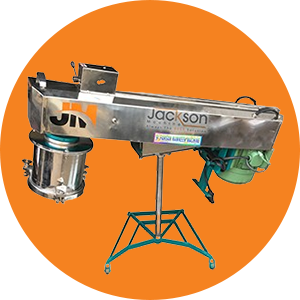
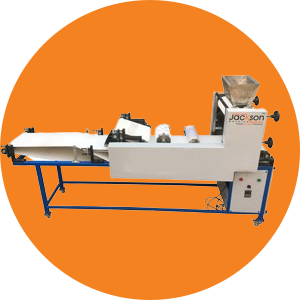
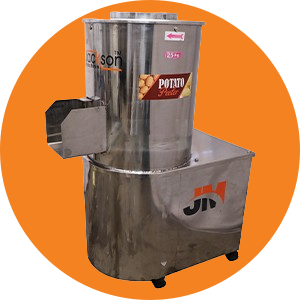
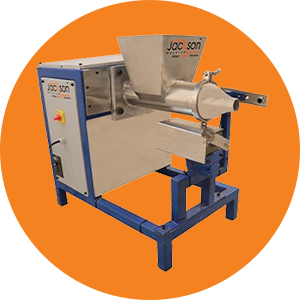

The Indian food processing industry is witnessing rapid transformation as automation becomes central to efficiency, hygiene, and scalability. Among the most demanded solutions in commercial kitchens today is the Automatic Chapati Making Machine, a revolutionary innovation designed to meet the growing need for consistent quality and high-volume production. For restaurants, hotels, industrial kitchens, caterers, and food entrepreneurs, investing in a reliable chapati production system is no longer an option—it is a strategic decision. Jackson Machine brings advanced engineering, food-grade manufacturing, and industry-focused design to the forefront with its range of chapati-making solutions.
Understanding the Need for Automation in Chapati Production
Chapati is a daily staple across homes, restaurants, hostels, factories, and institutions. Manual preparation requires skilled labor, time, and constant supervision. As demand increases, maintaining uniform thickness, proper cooking, and hygiene becomes challenging. Automation directly addresses these issues by streamlining production while maintaining consistent quality. A Top Chapati Making Machine allows food businesses to reduce dependency on manual labor while maintaining round shape, even thickness, and uniform cooking. This leads to faster service, reduced wastage, and better customer satisfaction.
What Is an Automatic Chapati Making Machine?
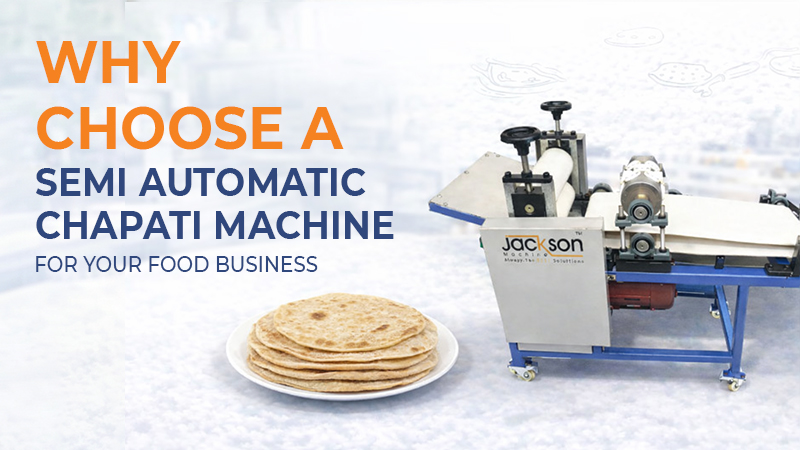
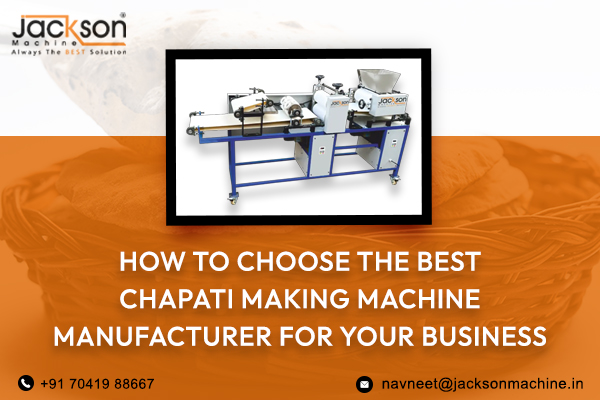
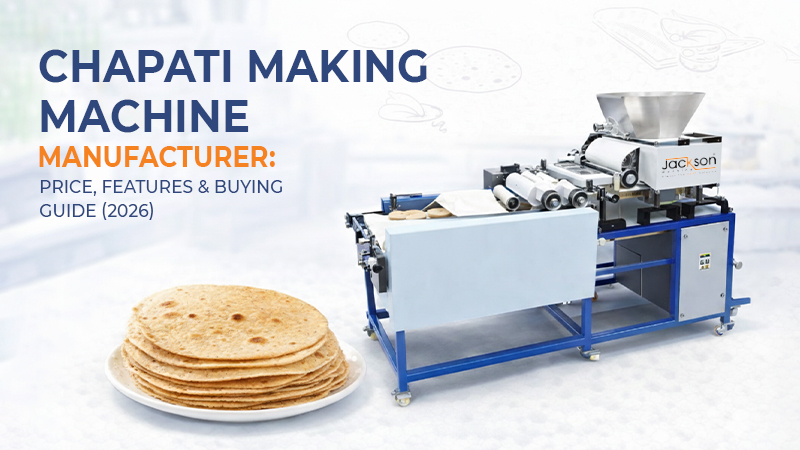
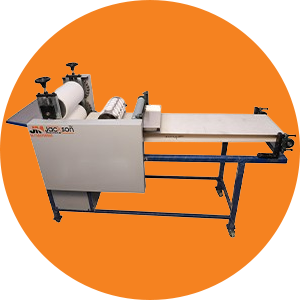
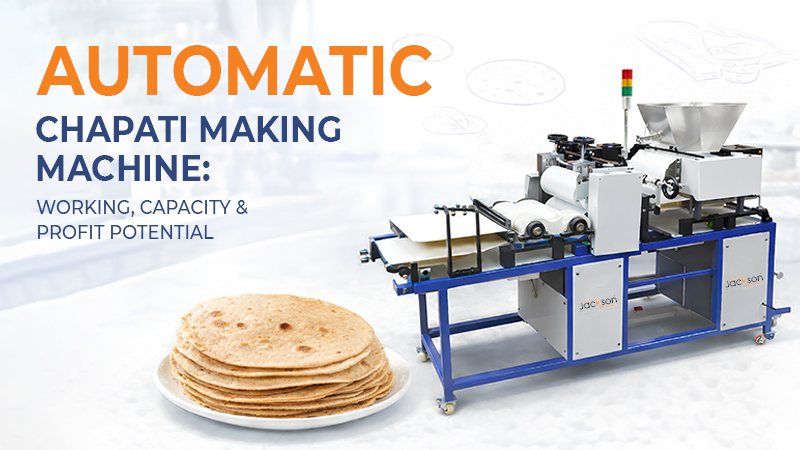
An automatic chapati making machine is an integrated food-processing system that converts prepared dough into ready-to-serve chapatis through a continuous automated process. From dough feeding to pressing, baking, and discharge, the entire operation runs with minimal human intervention. Jackson Machine designs machines that align with commercial kitchen requirements, focusing on durability, hygiene, and operational ease. These machines are widely adopted in cloud kitchens, industrial canteens, large hotels, and centralized food units.
Working Principle of an Automatic Chapati Making Machine
The working process of an automatic chapati machine follows a structured and controlled workflow that delivers consistent results throughout the production cycle.
- Dough Feeding System: Prepared dough is fed into the machine through a hopper. The dough consistency plays an important role in output quality. The system is designed to handle continuous feeding without interruption.
- Portioning and Pressing: The machine divides the dough into equal portions. These portions pass through a pressing mechanism that flattens the dough into uniformly round chapatis. Precision pressing allows consistency in thickness, which directly impacts cooking quality.
- Baking and Roasting: Chapatis move through a controlled heating chamber where they are partially or fully baked, depending on machine configuration. Temperature control helps maintain softness while allowing proper puffing during cooking.
- Discharge and Collection: The final chapatis are released onto a collection tray or conveyor. They are ready for immediate serving or packaging, depending on operational needs.
Capacity Range and Production Output
Production capacity is one of the most critical factors for commercial buyers. Automatic chapati machines are designed to support varying levels of demand depending on business scale. Small to mid-sized kitchens use machines that support moderate hourly output, ideal for restaurants and cafeterias. Large-scale operations such as food factories and institutional kitchens require machines with higher continuous output.
A Top Chapati Making Machine supports uninterrupted production for extended hours, making it suitable for bulk catering and centralized kitchens. Jackson Machine focuses on scalable capacity solutions that adapt to business growth without compromising performance.
Consistency and Quality Control
Consistency defines brand reputation in the food industry. Uneven chapatis results in customer dissatisfaction and operational inefficiencies. Automation eliminates variations caused by manual rolling and cooking.
Each chapati produced by a Chapati Making Machine maintains uniform size, thickness, and texture. Controlled heating prevents undercooking or excessive dryness, leading to better taste and presentation.
Hygiene and Food Safety Advantages
Hygiene compliance is mandatory for food businesses today. Manual preparation increases the risk of contamination due to repeated human contact. Automated machines significantly reduce this risk. The machines are constructed using food-grade materials that support easy cleaning and sanitation. Reduced handling improves compliance with food safety standards while building consumer trust. Using a Top Chapati Making Machine helps businesses align with modern hygiene expectations while simplifying daily maintenance.
Labor Efficiency and Operational Control
Labor availability and training remain constant challenges in commercial kitchens. Automation reduces dependency on skilled labor and minimizes human error. A single operator can manage the entire chapati production line, allowing staff to focus on other kitchen operations. This improves workflow efficiency and reduces labor costs without affecting production volume. Jackson Machine machines are designed for user-friendly operation, allowing quick training and smooth integration into existing kitchen systems.
Profit Potential of an Automatic Chapati Making Machine
Investing in automation directly impacts profitability. Reduced labor costs, faster production, and minimized wastage contribute to higher operational margins. Consistent output allows businesses to meet peak demand without delays. The ability to scale production supports expansion into catering contracts, institutional supply, and packaged food distribution. A Chapati Making Machine delivers long-term cost efficiency by maintaining performance stability and reducing operational disruptions. Businesses using Jackson Machine equipment gain a competitive advantage through reliability and output consistency.
Energy Efficiency and Cost Control
Modern automatic chapati machines are designed with energy optimization in mind. Controlled heating systems reduce unnecessary energy consumption while maintaining consistent cooking temperatures. Efficient energy use lowers operational costs, especially for businesses running machines for extended hours. This directly contributes to improved profitability over time. A Top Chapati Making Machine from Jackson Machine balances performance with energy efficiency, supporting sustainable operations.
Applications Across Food Business Segments
Automatic chapati machines are widely adopted across multiple food industry segments:
- Commercial restaurants benefit from faster service
- Hotels maintain consistent buffet quality
- Industrial kitchens meet large-volume daily requirements
- Catering services handle bulk orders efficiently
- Food factories produce packaged chapatis for distribution
Why Choose Us
Jackson Machine stands out for its commitment to engineering excellence, product reliability, and customer-focused solutions. Our automatic chapati making machines are developed with deep industry understanding, combining durable construction, food-grade materials, and operational simplicity. We focus on delivering machines that perform consistently under demanding commercial conditions. With a strong support network and a reputation for dependable machinery, Jackson Machine helps food businesses improve efficiency, maintain quality, and achieve sustainable growth through smart automation.
Conclusion
The automatic chapati making machine has become a powerful asset for modern food businesses aiming to scale operations without compromising quality. From streamlined working processes to consistent capacity output and strong profit potential, automation delivers measurable advantages. Businesses adopting a Top Chapati Making Machine gain better operational control, improved hygiene standards, and long-term cost efficiency. With proven engineering and industry-focused designs, Jackson Machine provides reliable chapati production solutions that support growth, consistency, and commercial success in a competitive food market.
Call to Action
Learn how the Automatic Chapati Making Machine Call us: +91 63523 14282 Email: navneet@jacksonmachine.in.
Key Takeaways
- Streamlined Production & Consistency
Automatic chapati machines produce uniform chapatis with even thickness, round shape, and consistent cooking, eliminating manual variations and ensuring high-quality output every time. - Suitable for All Business Sizes
From restaurants and hotels to industrial kitchens and food factories, automatic chapati machines scale production to meet small, medium, or large-volume requirements efficiently. - Improved Hygiene & Food Safety
Automation minimizes human contact, uses food-grade materials, and simplifies cleaning, helping businesses meet modern hygiene standards and build customer trust. - Labor Efficiency & Cost Savings
A single operator can manage the machine, reducing dependency on skilled labor, minimizing errors, lowering operational costs, and improving overall workflow efficiency. - Profit Potential & Operational Control
Faster production, reduced wastage, and energy-efficient operation increase profitability. Machines support scalability, bulk orders, and long-term cost efficiency, making them a strategic investment for growth.
FAQs
Who can use an automatic chapati making machine?
Restaurants, hotels, industrial kitchens, caterers, and food factories commonly use automatic chapati machines for bulk production.
Does the machine require skilled labor to operate?
No, the machine is designed for simple operation and can be managed with minimal training.
How does chapati making machine improve profitability?
It reduces labor costs, increases production speed, minimizes wastage, and supports consistent output.
Is the machine suitable for continuous operation?
Yes, automatic machines are designed for extended operational hours in commercial environments.
Why choose Jackson Machine for chapati making equipment?
Jackson Machine offers reliable construction, industry-focused design, and consistent performance tailored for commercial food businesses.