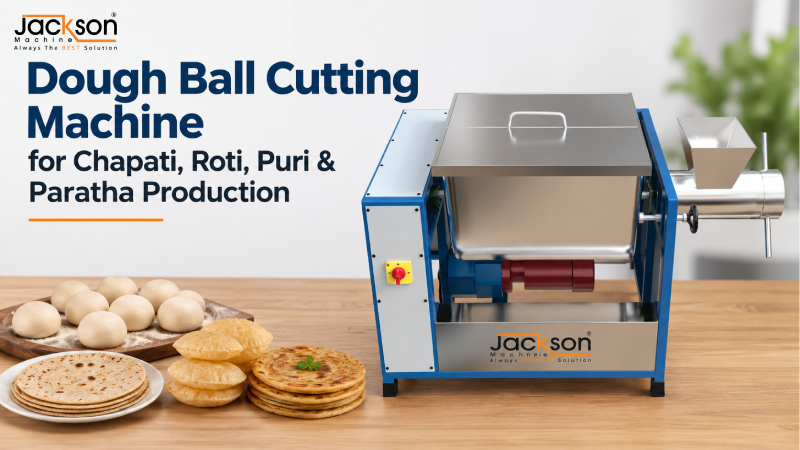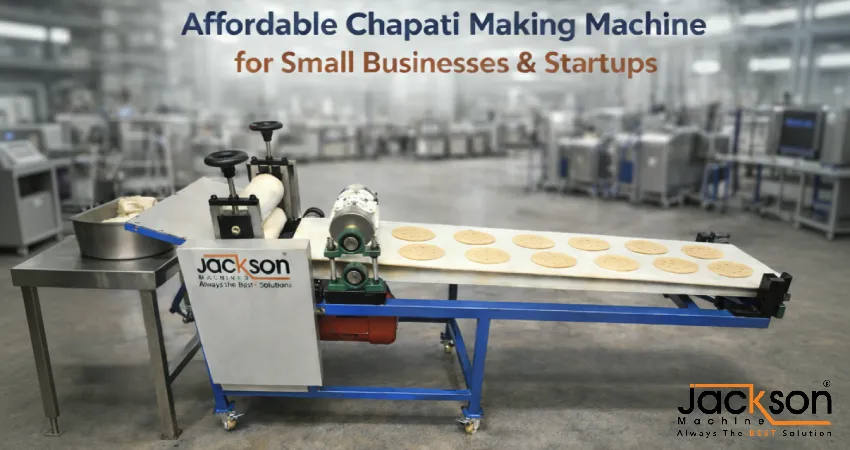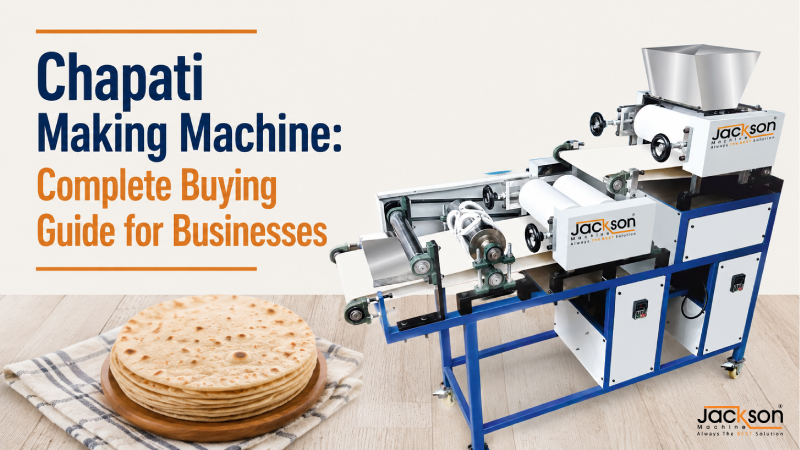
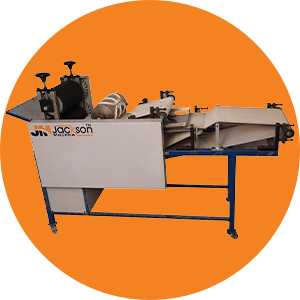
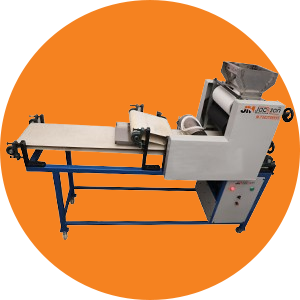
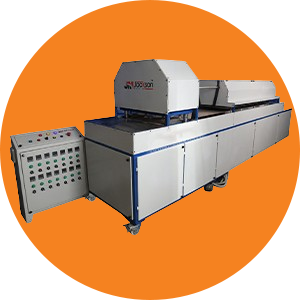
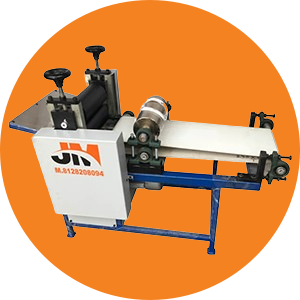
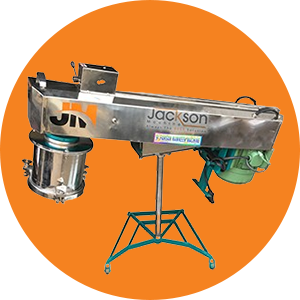
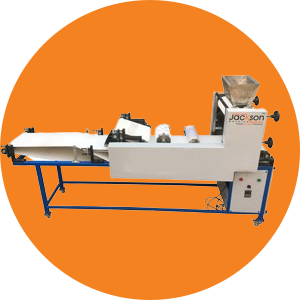
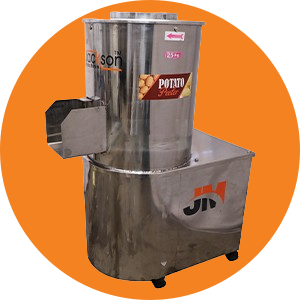
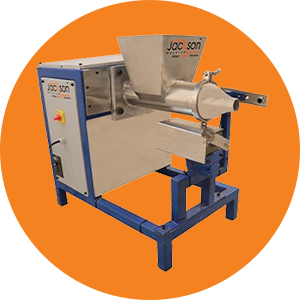
Running a food business is not just about taste. It is about speed, consistency, hygiene, and trust. When demand grows, manual methods struggle to keep up. That is where modern chapati machines change everything. In Indian kitchens, from hotels to large canteens, chapati production must stay fast and uniform every single day. This blog explains how the Top Chapati Making Machine supports large-scale operations, what features truly matter, and why choosing the right manufacturer shapes long-term success.
At Jackson Machine, the focus stays on real kitchen needs. Every machine is designed to help businesses produce perfect chapatis without stress, delays, or quality drops. This guide walks you through every essential detail so you can make a confident decision.
Understanding High-Volume Chapati Production
Chapati making at scale demands precision. Dough consistency, rolling pressure, heating control, and cooking time must align perfectly. Any imbalance affects softness, shape, and taste. Manual methods depend heavily on labor skill and speed, which often leads to uneven results.
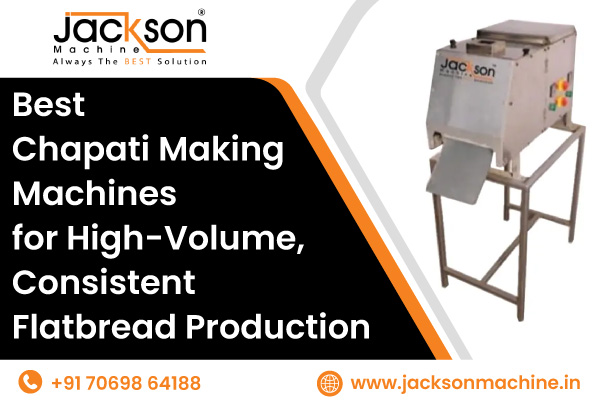
A Chapati Making Machine solves these challenges by standardizing the entire process. From dough portioning to baking on the Chapati Tava, machines deliver uniform chapatis batch after batch. This consistency builds customer trust and reduces daily kitchen pressure.
Businesses that serve hundreds or thousands of meals daily depend on machines that work continuously without fatigue. That is why investing in the Top Chapati Making Machine becomes a business decision, not just a kitchen upgrade.
Why Consistency Matters More Than Speed
Speed is important, but consistency keeps customers coming back. A chapati that changes size or texture affects the entire meal experience. Machines control thickness, diameter, and cooking temperature precisely.
An Automatic Chapati Making Machine maintains the same output throughout long working hours. This stability reduces food waste and complaint handling. Over time, consistent quality improves brand reputation and operational confidence.
Even a Semi-Automatic Chapati Machine offers strong control while allowing manual flexibility. Many growing kitchens choose this option when transitioning from manual work to full automation.
Types of Chapati Making Machines Explained
Every kitchen operates differently. Choosing the right type depends on volume, space, and budget.
- A Raw Chapati Machine focuses on rolling and pressing dough without full cooking. It suits kitchens that prefer manual baking while still saving preparation time. This option works well for medium-scale operations.
- A Semi-Automatic Chapati Machine balances automation and manual control. Dough feeding may remain manual, while pressing and partial cooking stay automated. This setup suits businesses that want efficiency without full system changes.
- An Automatic Chapati Making Machine handles dough feeding, pressing, and baking with minimal human input. It works best for hotels, factories, and central kitchens where volume stays high throughout the day.
Each option serves a purpose. The key is matching the machine to your workflow, not forcing your workflow to fit the machine.
The Role of the Chapati Tava in Quality Output
The Chapati Tava is the heart of the cooking process. Heat distribution, surface quality, and temperature stability directly affect softness and puffing. Poor heating leads to dry or uneven chapatis.
High-quality machines use specially designed tavas that maintain even heat across the surface. This ensures every chapati cooks evenly without burning or undercooking. Over time, a reliable Chapati Tava protects taste consistency and reduces energy waste.
At Jackson Machine, careful attention is given to tava design because cooking quality matters as much as production speed.
Key Features That Define the Top Chapati Making Machine
A true Top Chapati Making Machine combines durability with precision. Strong frames reduce vibration during operation. Smooth rollers maintain uniform thickness. Controlled heating protects texture.
Easy cleaning matters in busy kitchens. Machines designed with hygiene in mind reduce downtime and improve safety. Power efficiency also plays a major role, especially for long operating hours.
Support and service access often decide long-term satisfaction. Machines built by a trusted Chapati Making Machine Manufacturer in India align better with local conditions, voltage standards, and service expectations.
Why Indian Kitchens Prefer Local Manufacturing
Choosing a Chapati Making Machine Manufacturer in India offers clear advantages. Local manufacturers understand Indian flour types, kitchen environments, and working hours. Machines perform better when designed for real conditions, not assumptions.
Spare parts availability and technical support also remain faster and more affordable. This reduces downtime and protects daily operations. Over time, these practical benefits outweigh minor cost differences.
Jackson Machine builds machines specifically for Indian food businesses. This local understanding supports reliable performance across regions and kitchen sizes.
Scaling Your Business with Automation
Growth brings pressure. Orders increase. Labor becomes harder to manage. Automation removes these barriers. A Chapati Making Machine supports scaling without compromising quality.
Businesses that upgrade to an Automatic Chapati Making Machine often report smoother operations and improved staff efficiency. Staff focus shifts from repetitive labor to supervision and quality checks.
Even kitchens starting with a Semi-Automatic Chapati Machine gain confidence to scale gradually. Automation supports growth at your pace.
Hygiene and Food Safety in Chapati Machines
Food safety cannot be compromised. Machines built with food-grade materials reduce contamination risks. Smooth surfaces prevent dough buildup and simplify cleaning routines.
A Raw Chapati Machine or fully automated system must meet hygiene expectations daily. Easy dismantling and washable components support regular maintenance.
At Jackson Machine, hygiene remains a design priority because safe food builds lasting customer trust.
Energy Efficiency and Cost Control
Energy costs affect profitability. Efficient heating systems reduce power consumption without slowing production. Modern Chapati Tava designs retain heat better, which lowers operational expenses.
Over time, efficient machines recover their cost through savings in labor, energy, and waste reduction. This makes a Top Chapati Making Machine a long-term investment, not an expense.
Why Choose Us
Selecting the right partner is just as important as selecting the right machine. Jackson Machine focuses on practical performance, not sales promise. The team understands real kitchen workflows and recommends machines based on actual production needs. With strong build quality, reliable output, and local support, Jackson Machine helps food businesses work confidently every day. The company stays involved before and after purchase, offering guidance that supports long-term success rather than short-term sales.
Conclusion
Chapati production at scale demands consistency, hygiene, and speed working together. A reliable Chapati Making Machine transforms daily operations by reducing manual effort and improving quality. Whether you choose a Raw Chapati Machine, a Semi-Automatic Chapati Machine, or an Automatic Chapati Making Machine, the right choice supports growth and stability. Machines designed by a trusted Chapati Making Machine Manufacturer in India perform better under local conditions. With the right technology, chapati production becomes smoother, faster, and more dependable, helping your business serve every meal with confidence.
Key Takeaways
- The Top Chapati Making Machine improves consistency and output quality.
- Automation supports growth without increasing labour stress.
- A reliable Chapati Tava defines final taste and texture.
- Local manufacturing improves service and long-term performance.
- Choosing the right machine protects profitability and reputation.
For expert guidance on the Top Chapati Making Machine, contact Jackson Machine today. Call +91 63523 14282 or email navneet@jacksonmachine.in to explore the right solution for your kitchen needs.
FAQs
What capacity chapati machine should I choose for my business?
Capacity depends on daily meal volume and service hours. High-volume kitchens benefit from an Automatic Chapati Making Machine.
Is a semi-automatic machine suitable for hotels?
Yes. A Semi-Automatic Chapati Machine works well for mid-sized hotels with moderate demand and skilled staff.
Can one machine handle different flour types?
Most machines from Jackson Machine handle common Indian wheat flours used in commercial kitchens.
How important is the chapati tava quality?
The Chapati Tava directly affects softness, puffing, and even cooking. High-quality tavas improve results.
Do you provide service support across India?
Yes. Jackson Machine offers support and guidance to help businesses maintain smooth operations nationwide.