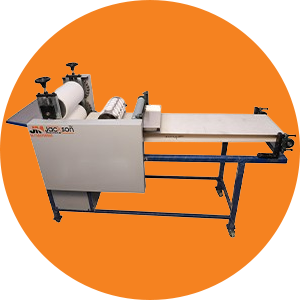
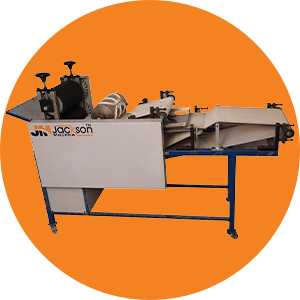
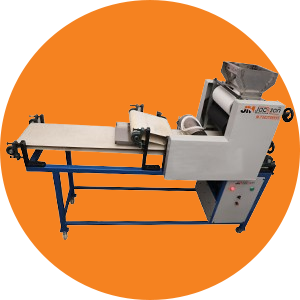
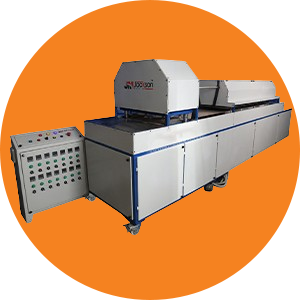
Automatic kitchens move fast, and if your gravy prep is still stuck in slow motion, you’re losing time and consistency. In this blog we’ll look closely at how a modern Vegetable Gravy Machine transforms bulk gravy production — from raw veg to smooth, restaurant-ready base — and why Jackson Machine’s model is a practical fit for hotels, cloud kitchens, caterers, and packaged-food units.
What is an Automatic Vegetable Gravy Machine?
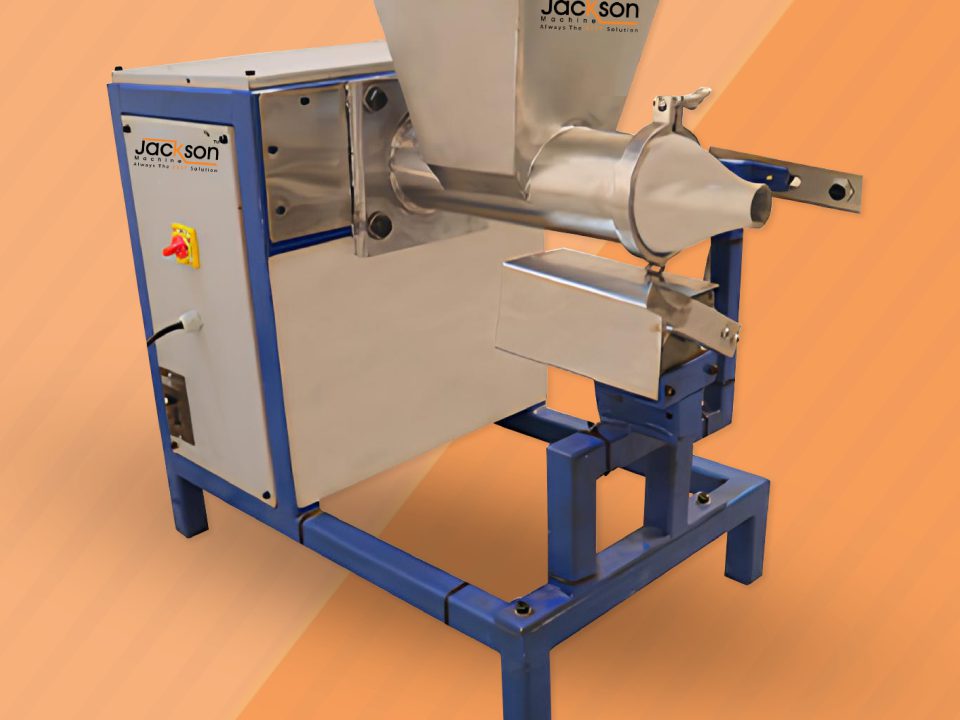
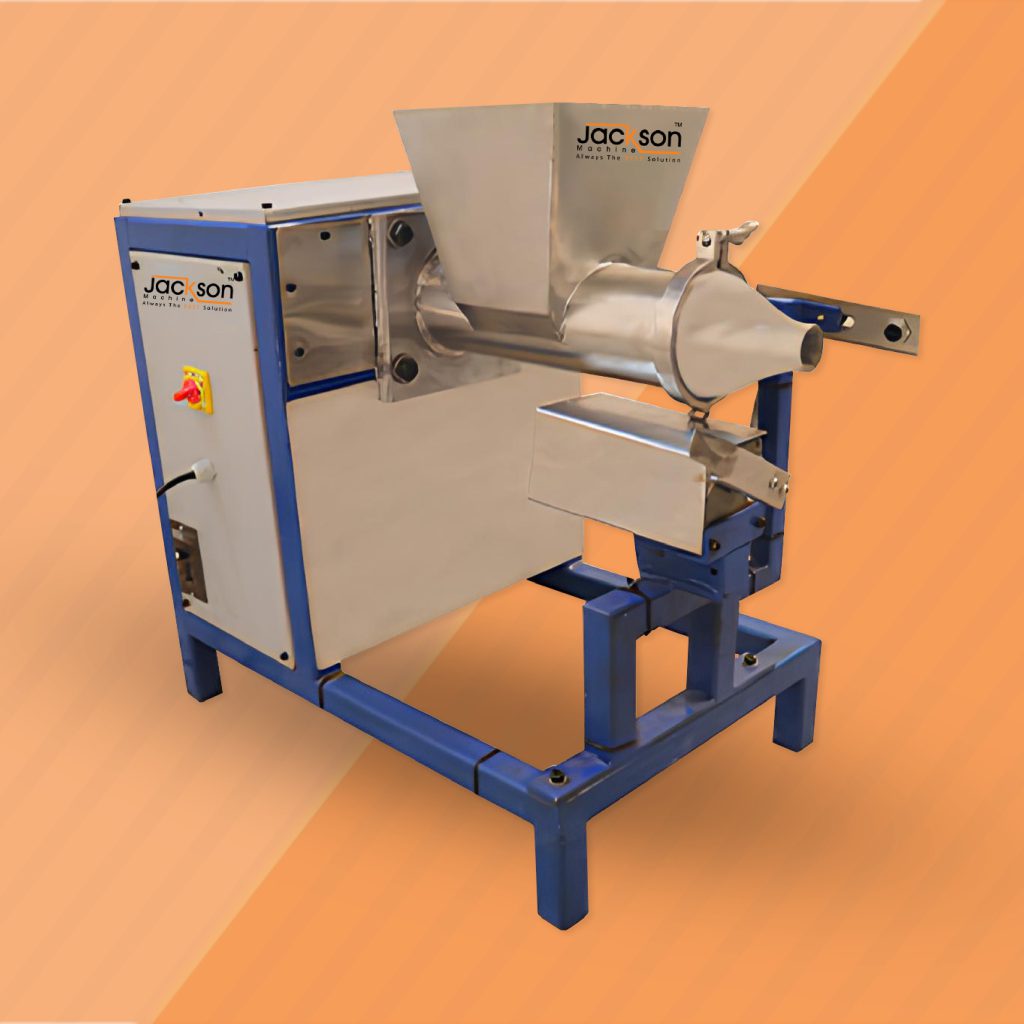
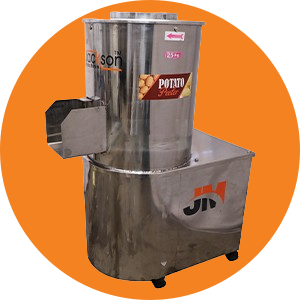
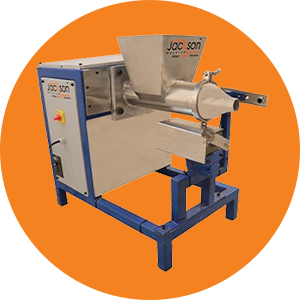
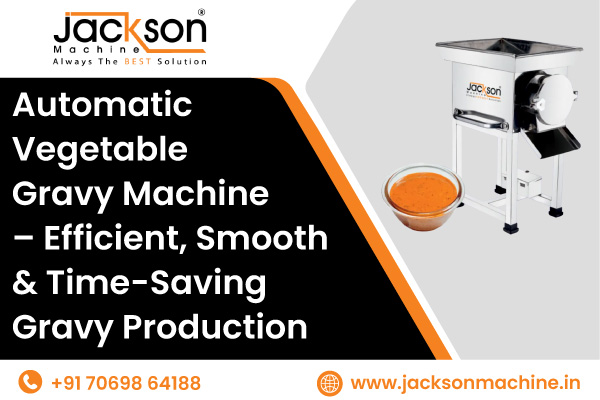
A Vegetable Gravy Machine is a purpose-built food-processing unit that blends, grinds, and (in some models) applies controlled heat to vegetables to produce smooth gravies, sauces, and pastes at scale. Instead of manual chopping, lengthy sautéing and unpredictable blending, this machine compresses that workflow into a reliable batch process that produces uniform texture and repeatable taste every time. Jackson Machine’s product page describes a compact unit designed for medium-scale operations with user-friendly controls and food-grade construction
Why commercial kitchens are shifting to machine-made gravies
We noticed restaurants and central kitchens increasingly demand bulk gravy prep that behaves the same day after day. Manual methods lead to variable particle size, inconsistent viscosity, and unpredictable cooking time — problems that ripple through plating, frying, freezing, and reheating. A Vegetable Gravy Machine reduces these variations, saves skilled labor for higher-value tasks, and helps teams plan production windows more precisely. We remember the days when gravy prep slowed entire service lines; now, automated bases let chefs focus on seasoning and finishing rather than homogenizing. That change matters.
Key benefits of adopting a Vegetable Gravy Machine
- Faster batch cycles: Large batches that once took hours are processed in minutes, so kitchens can prepare larger volumes during off-peak hours.
- Consistent texture and flavor: Uniform particle size and controlled blending deliver steady mouthfeel across batches, which improves customer experience and reduces rework.
- Hygiene and reduced handling: Less direct contact with raw produce lowers contamination risk and simplifies compliance checks.
- Lower waste and better raw-material usage: Controlled discharge and calibrated blending reduce spillage and over-processing.
- Labor redeployment: Teams can move from repetitive chopping to quality control and plating.
Core features & technical specs of Jackson Machine’s model
Jackson Machine offers a practical, compact Vegetable Gravy Machine that’s built for continuous kitchen use. Key technical highlights from the product listing include: Model No. 2 Hp Deluxe, chamber size of 6″ x 3″, capacity of around 35–40 kg per batch, weight ~36 kg, and overall footprint about 20″ × 16″ × 27″. These specs make it a great fit for medium-sized restaurants, caterers, and centralized kitchens that need predictable daily output.
Design and material: The unit is constructed from food-grade materials for durability and easy cleaning, with operator-friendly controls that reduce the learning curve for kitchen staff.
Operational features: Adjustable settings let you change grind fineness and, where applicable, add controlled heat to stabilize viscosity — handy for gravies that require partial cooking or for reducing separation in packaged products.
Pricing & purchase support: The product listing shows a competitive price point and direct contact channels for enquiries, which helps buyers evaluate ROI quickly. For product enquiries you can call the number on the product page.
How the machine works in a real kitchen (step-by-step)
- Prep & feed: Washed and roughly sectioned vegetables are placed in the feed hopper. Short prep keeps throughput high.
- Controlled blending: High-speed blades shear fibers to create a uniform particle distribution; settings let you move from coarse bases to silky gravies.
- (Optional) Thermal regulation: If the model includes heating support, the mix passes through a controlled chamber to reduce moisture variability and stabilize texture.
- Discharge: The finished gravy exits into cooking kettles, storage tanks, or packaging lines with minimal spillage.
That process shortens lead time and makes day-of-service adjustments easier because the base behaves predictably.
Capacity, productivity and ROI considerations
Let’s be practical. If your kitchen uses 100–300 kg of base per day, a machine that handles 35–40 kg per batch will enable multiple runs during low-demand hours — freeing staff for peak service. That predictability improves scheduling for frying, freezing and packing. The reduced labor hours plus lower raw-material waste usually pay back the equipment cost in months rather than years depending on throughput and labor rates. The product page lists a batch capacity (35–40 kg) and dimensions that help teams plan installation and workflow.
Maintenance, safety and food-hygiene tips
- Daily cleaning: Run a quick clean cycle and wipe accessible surfaces to remove food residues. Use food-safe sanitizers and avoid corrosive agents.
- Routine checks: Inspect blade assemblies and motor mounts weekly to prevent drift in performance.
- Operator safety: Make sure interlocks are active and train staff on safe feeding techniques — never bypass any guarding.
- Spare parts plan: Keep a spare blade set and a routine lubrication schedule to minimize downtime. These steps keep the machine productive and compliant with kitchen audits.
Real-world use cases — who benefits most?
- Hotels & large restaurants: Batch-only operations for banquet sauces and base gravies.
- Centralized cloud kitchens: Prepare uniform bases for multiple virtual brands from a single hub.
- Catering & events: Fast batch prep for bulk orders with consistent texture.
Frozen and packaged food units benefit from steady gravy texture that supports smooth filling and consistent freezing quality.
Why Choose Us
Jackson Machine builds equipment for kitchens that demand steady, repeatable results. We’ve worked closely with chefs and kitchen managers, and we design machines that fit real workflows rather than idealized setups. Jackson Machine places emphasis on robust, food-grade construction, straightforward controls, and service access that keeps downtime low. We realized early on that after-sales support matters as much as machine build: training, spare parts and quick technical help let kitchens get value fast. When you choose Jackson Machine, you choose a partner that speaks the same kitchen language as you — practical, reliable and focused on production realities. Jackson Machine has a product range that suits multiple scales, and our Vegetable Gravy Machine reflects decades of feedback from actual users. Jackson Machine keeps things simple, dependable and built for busy commercial kitchens.
Conclusion
Adopting a Vegetable Gravy Machine moves gravy prep from artful scramble to reliable, trackable production — freeing chefs to concentrate on seasoning and finish rather than repetitive blending. For hotels, caterers, cloud kitchens and packaged-food makers, consistent texture, faster batches, and lower handling risk translate into tangible operational gains. Jackson Machine’s compact, food-grade design and practical controls match real kitchen workflows and capacity needs, making it an accessible upgrade for medium-scale operations. Choosing an appropriate model, planning layout, and following routine maintenance unlock long-term value and steadier daily output that supports growth and customer satisfaction.
Want smoother, faster gravy production? Call Jackson Machine at +91 63523 14282 or email navneet@jacksonmachine.in for specs, pricing and a tailored recommendation today.
FAQs
What batch size can the Vegetable Gravy Machine handle?
The listed model handles roughly 35–40 kg per batch (chamber size 6″ × 3″), suitable for medium-scale kitchens.
Is the machine easy to clean between batches?
Yes — the unit uses food-grade materials and is designed for easy cleaning access; follow daily washdown procedures with food-safe sanitizers.
Can the machine process fibrous vegetables like onions and ginger?
Yes — high-speed blades and appropriate settings let you process onions, tomatoes, ginger and other vegetables into smooth gravies with controlled particle size.
Does the machine include heating for partial cooking?
Some configurations include thermal regulation to stabilize viscosity; check the brochure for models with heating options.
How do I get spare parts and service?
Contact Jackson Machine directly via +91 63523 14282 or navneet@jacksonmachine.in; they provide parts, technical guidance and after-sales support.