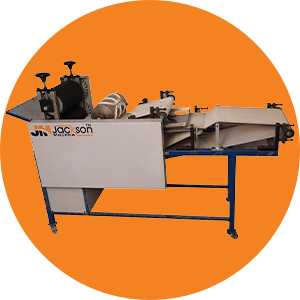
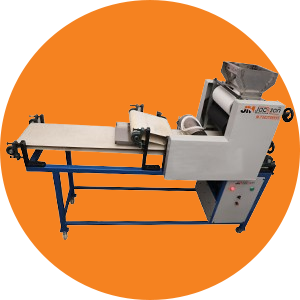
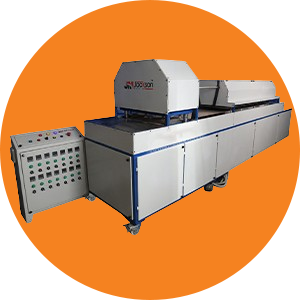
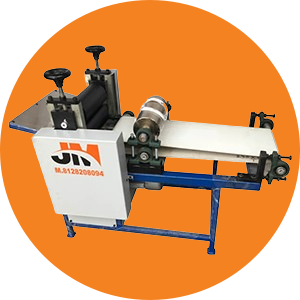
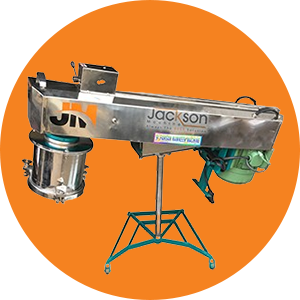
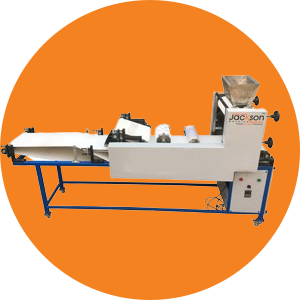
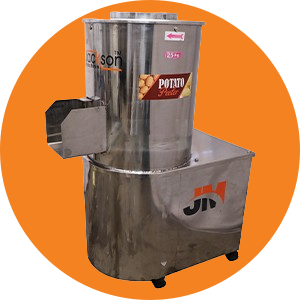
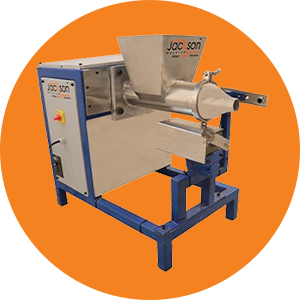
Commercial kitchens and food processing units operate in an environment where speed, precision, hygiene, and cost control directly affect profitability. From hotels and restaurants to cloud kitchens, catering units, and industrial food manufacturers, vegetable preparation remains one of the most time-consuming and labor-dependent stages of food production. Manual cutting not only slows down operations but also creates inconsistency in size, shape, and output volume. This is where a modern Vegetable Cutter Machine becomes a critical processing asset. Designed for rapid, repetitive, and uniform cutting, this equipment transforms raw vegetable preparation into a structured, scalable operation. With growing demand for ready-to-cook food, institutional catering, and centralized kitchens, automated cutting now plays a central role in driving operational efficiency. Businesses that adopt this technology gain better control over production timelines, hygiene compliance, and labor costs. As a trusted food processing equipment manufacturer, Jackson Machine provides commercial grade cutting solutions built for continuous operation, uniform output, and long-term reliability in demanding kitchen environments.
Industry Shift Toward Automated Vegetable Preparation
The Indian food service and food processing sectors are expanding at an accelerated pace. Organized kitchens now supply thousands of meals daily to hospitals, corporate campuses, educational institutions, hotels, and online food platforms. In these settings, vegetable preparation often becomes the main production bottleneck when handled manually. A professional Vegetable Cutter Machine supports bulk cutting without dependency on large preparation teams.
Frozen food manufacturers and ready-to-cook product brands rely heavily on uniform vegetable size for consistent cooking behavior and packaging stability. Central kitchens that service multiple satellite outlets also depend on automated cutting to standardize raw material preparation across every location. Even mid-sized restaurants are now shifting toward machine-based cutting to cope with staff shortages and rising labor costs.
Jackson Machine works closely with food businesses that require high-output vegetable cutting under real-world commercial pressures. The shift toward automation is driven not by convenience alone, but by the structural need for reliability, speed, and standardization in modern food production.
Benefits of Using a Vegetable Cutter Machine
The commercial advantages of installing a Vegetable Cutter Machine extend across productivity, cost management, hygiene, and product quality. The most immediate benefit is the drastic reduction in preparation time. Bulk vegetables that previously required hours of manual cutting can now be processed within minutes through mechanized operation.
Uniformity of cut improves significantly with machine-based processing. Identical cube size, slice thickness, and shredding consistency directly influence cooking time, visual appeal, and portion control. This uniformity becomes especially valuable in packaged foods, banquet kitchens, and export-oriented food production.
Labor dependency also reduces after automation. Skilled kitchen workers can be reassigned to higher-value cooking and supervision roles instead of repetitive cutting work. This realignment improves overall workforce productivity. The Vegetable Cutter Machine also supports better hygiene, as limited human contact reduces contamination risk during large-volume preparation cycles.
Material savings form another commercial advantage. Controlled cutting minimizes vegetable breakage and spillage, which lowers overall wastage. As an equipment manufacturer focused on kitchen efficiency, Jackson Machine designs its systems to deliver dependable daily output under continuous load conditions.
Core Features of a Modern Vegetable Cutter Machine
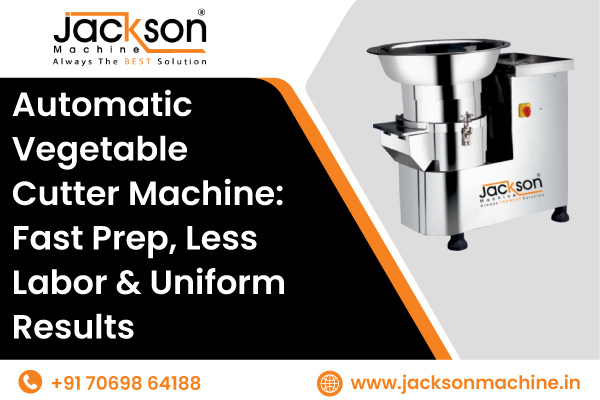
A commercial Vegetable Cutter Machine is built for strength, precision, and operational stability. The structure typically uses food-grade stainless steel for durability and corrosion resistance. This supports long-term use in moisture-heavy kitchen environments and simplifies daily cleaning routines.
The cutting chamber houses high-grade rotating blades configured for multiple cutting styles such as slicing, dicing, shredding, and julienne. These blades rotate at controlled speeds to achieve clean, uniform cuts without crushing vegetable fibers. Motor systems are designed for continuous duty cycles, making them suitable for prolonged daily operation.
Safety mechanisms form an important part of the machine design. Interlocked covers, guarded infeed zones, and stable base mounts protect operators during high-speed rotation. Discharge outlets are shaped for smooth product flow into collection containers or conveyors without spillage.
Jackson Machine integrates operator-friendly controls, vibration-resistant frames, and easy-access maintenance panels into every Vegetable Cutter Machine, supporting high-output performance without frequent operational interruptions.
Importance of Automation in Commercial Vegetable Cutting
Vegetable preparation is foundational to almost every dish in Indian and global cuisines. In large kitchens, even small inefficiencies at the cutting stage can disrupt the entire production chain. An automated Vegetable Cutter Machine introduces stability at this critical starting point of food processing.
Uniform cutting directly affects cooking consistency. Irregularly cut vegetables cook unevenly, which impacts texture, taste, and visual presentation. This becomes a serious concern in institutional catering, airline catering, and bulk food manufacturing, where quality uniformity defines brand credibility.
Time control is another major factor. Automated cutting supports predictable preparation schedules that align with structured cooking cycles. This predictability allows kitchen managers to plan production, manpower deployment, and delivery logistics more accurately.
Food safety standards increasingly demand reduced manual handling of raw ingredients. Machine-based cutting limits prolonged human contact with vegetables and aligns with structured hygiene management systems. Jackson Machine develops its equipment with an understanding of these regulatory and operational realities faced by commercial kitchens.
Complete Topic Breakdown: Working Process, Capacity Design, and Cutting Applications
Working Process of a Vegetable Cutter Machine
The operation of a Vegetable Cutter Machine begins with loading cleaned vegetables into the feeding chamber. Depending on the model, vegetables may be gravity-fed or pushed through guided inlets. As the vegetables enter the cutting zone, high-speed rotating blades perform the selected cutting action.
Different blade sets allow for slicing, mincing, cube cutting, or shredding based on the dish requirement. The cut output exits through a discharge outlet into a collection tray or conveyor system for further processing. The machine completes thousands of uniform cuts per minute under controlled mechanical motion.
The entire operation follows a closed mechanical cycle that promotes speed, safety, and output consistency. This systematic workflow replaces the unpredictable nature of manual cutting.
Production Capacity and Output Stability
Capacity varies across models based on motor power, blade diameter, and chamber volume. A commercial Vegetable Cutter Machine is built to support continuous bulk operation without overheating. Output remains stable across long shifts, making it suitable for central kitchens and food processing lines.
Production planning becomes simpler when output rates remain predictable. Kitchen managers can synchronize vegetable cutting with washing stations, cooking kettles, and packaging lines. This coordination improves overall plant efficiency.
Jackson Machine supplies machines in capacity ranges aligned with restaurant kitchens, institutional units, and industrial food manufacturers, allowing businesses to match equipment investment with real production demand.
Range of Cutting Applications
A single Vegetable Cutter Machine supports multiple applications across food service operations. It cuts root vegetables such as potatoes, carrots, and beetroot for frying and boiling. Leafy vegetables can be shredded for salads and stir-fry applications.
Onions, tomatoes, cabbage, and capsicum are processed for gravies, toppings, and stuffing mixtures. In packaged food manufacturing, uniform vegetable cutting supports stable dehydration, blanching, freezing, and retort processing cycles.
Jackson Machine designs its machines for multi-vegetable compatibility, allowing kitchens to run varied production batches on the same system without structural modification.
Commercial Applications Across Food Industry Segments
A Vegetable Cutter Machine finds application across diverse food industry segments. Hotels and banquet kitchens rely on it for high-volume preparation during large events. Institutional kitchens in schools, hospitals, and corporate catering units depend on automated cutting for daily bulk meal production.
Cloud kitchens and multi-brand food hubs use centralized vegetable cutting to supply multiple outlets with standardized raw material. Frozen food manufacturers and ready-to-cook brands use uniform cutting for predictable cooking behavior and packaging efficiency.
Quick-service restaurants also benefit from pre-cut vegetables that align with fast assembly operations. Jackson Machine supports every one of these operational formats by offering cutting equipment that performs reliably across shifting production demands and long working hours.
Operational Cost Impact and Productivity Gains
The installation of a Vegetable Cutter Machine directly reshapes the operational cost structure of a commercial kitchen. Manual cutting involves high manpower requirements, extended preparation time, and inconsistent productivity. Automated cutting compresses preparation into short, predictable cycles.
Labor cost reduces because fewer workers are needed for repetitive cutting tasks. Training expenses also drop since machine operation requires basic technical handling rather than advanced cutting skills. Energy consumption becomes structured around controlled motor usage instead of scattered manual preparation with variable equipment.
Raw material utilization improves through controlled cutting that minimizes breakage and handling loss. Over an extended production cycle, these small material savings accumulate into substantial financial benefits.
Jackson Machine designs equipment with long operational life and stable performance, helping food businesses achieve a consistent return on their automation investment.
Selection Considerations Before Purchasing a Vegetable Cutter Machine
Choosing the right Vegetable Cutter Machine requires evaluation of daily production volume, type of vegetables processed, available kitchen space, and power supply conditions. Machines designed for soft vegetables differ from those intended for dense root crops.
Blade configuration should match the dominant cutting application. A multi-blade setup offers greater flexibility for kitchens that handle diverse menu requirements. Motor rating must align with continuous-duty expectations rather than short intermittent use.
Ease of cleaning is another critical consideration. Food-grade stainless steel, smooth welds, and accessible blade chambers simplify sanitation routines. Safety features protect operators and support compliance during kitchen audits.
Jackson Machine assists buyers with technical guidance so that the selected machine fits both present operational needs and potential future expansion.
Why Choose Us
Jackson Machine stands as a trusted manufacturing partner for food businesses that demand consistency, durability, and day-to-day reliability from their processing equipment. Every Vegetable Cutter Machine is developed with an in-depth understanding of commercial kitchen workflows, high-volume production pressure, and hygiene-driven operation. Jackson Machine focuses on practical engineering that supports long-term performance rather than short-term output claims. With a commitment to quality fabrication and production-aligned design, Jackson Machine helps kitchens maintain stable preparation capacity, structured workflow, and dependable processing across years of daily operation.
Conclusion
Automation in vegetable preparation has moved from a convenience to an operational necessity in modern food production. A professional Vegetable Cutter Machine delivers uniform cuts, rapid prep cycles, and structured output that manual processes cannot match at scale. From hotels and institutional kitchens to cloud kitchens and food manufacturing plants, automated cutting now defines production discipline and cost stability. By adopting well-engineered cutting technology, food businesses strengthen hygiene standards, reduce labor dependency, and improve raw material utilization. With its industry-focused equipment design and long-term performance outlook, Jackson Machine continues to support commercial kitchens seeking speed, uniformity, and reliable preparation capacity.
For advanced vegetable cutting solutions tailored to commercial kitchens, contact Jackson Machine today. Call +916352314282 or email navneet@jacksonmachine.in for details.
FAQs
Which type of kitchens benefit most from a Vegetable Cutter Machine?
Hotels, institutional kitchens, cloud kitchens, and food processing units benefit the most due to their high-volume daily vegetable preparation requirements.
Can a Vegetable Cutter Machine handle different vegetable types in one shift?
Yes, the machine can process multiple vegetables such as potato, onion, cabbage, carrot, and capsicum in sequential batches with proper cleaning between runs.
How does automated cutting affect cooking consistency?
Uniform cutting improves heat distribution during cooking, resulting in consistent texture, taste, and presentation across every batch.
Is a Vegetable Cutter Machine suitable for frozen food production units?
Frozen food manufacturers rely on automated cutting for uniform freezing behavior, stable storage, and consistent product size in packaged formats.
Why is Jackson Machine preferred for commercial vegetable cutting equipment?
Jackson Machine focuses on production-aligned engineering, durable construction, and hygiene-oriented design that supports continuous operation in demanding commercial kitchen environments.